

Connecting Regions Through Vocational Education, Empowering the Future Through Digital Skills | China POCY Group Deeply Engages in the China-Southeast Asia TVET Management Capacity Development Workshop
Release time:Jun 23,2026
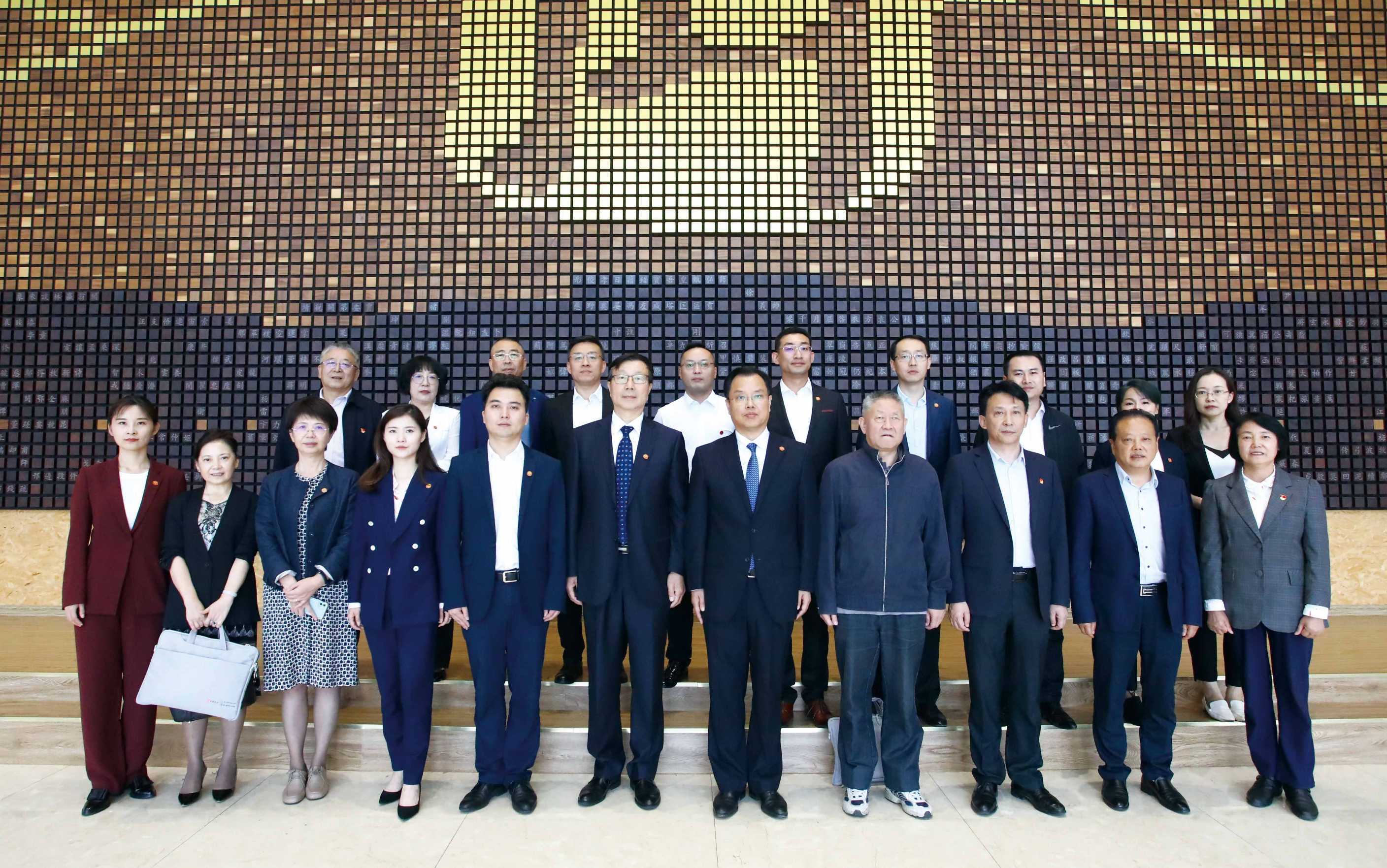
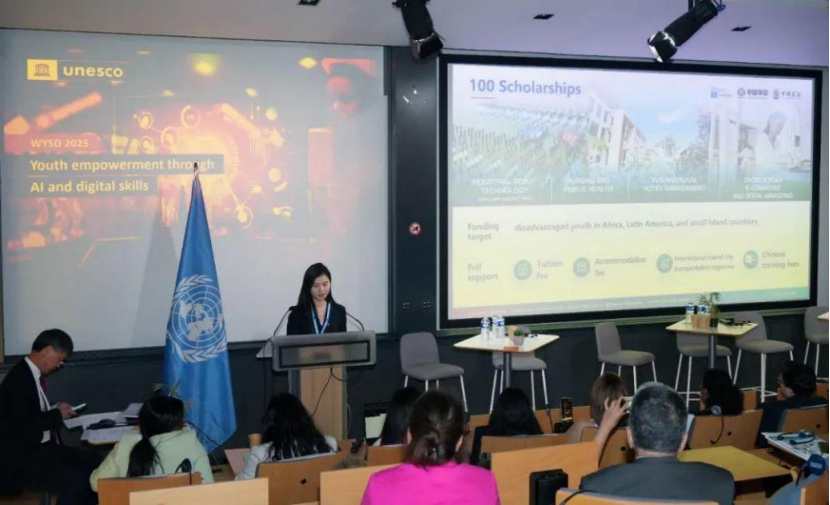
On June 23, 2026, the China-Southeast Asia TVET Management Capacity Development Workshop opened in Beijing. Guided by Beijing Normal University and co-hosted by the UNESCO International Research and Training Centre for Rural Education (INRULED), the ASEAN-China Centre, and the SEAMEO Regional Centre for Technical Education Development (SEAMEO TED), with co-organization by UNESCO Multisectoral Regional Office for East Asia, China POCY Group, and the China-ASEAN Education Cooperation and Development Committee of the China Association for Non-Government Education, and implemented by Chengdu Global Skills Academy and China Craftsman Valley · Beijing Caofeidian International Vocational Education Town, the workshop brought together over 120 policymakers, vocational college presidents, experts, scholars, and industry representatives from China, Southeast Asia, and Africa. Participants engaged in in-depth dialogue on the core themes of vocational education transformation in the digital age. As a pioneer in China‘s industry-education integration and a pathfinder in international vocational education cooperation, Mr. Yao Yichun, Chairman of the Integration of Industry and Education Committee of the World Federation of UNESCO Clubs, Centres and Associations and Chairman and President of China POCY Group, along with Mr. Yang Zhilin, Executive President of China POCY Group, and Ms. Sun Aiping, Executive Vice President, led the Group’s delegation to the workshop.

Addressing the Challenges of Our Time: Building Regional Consensus on Vocational Education Collaboration
The wave of digital economy is sweeping across the globe, presenting both shared opportunities and common challenges for China and Southeast Asian nations: How can traditional vocational education systems adapt to the talent demands of industrial digital transformation? How can regional barriers be dismantled to jointly build and share a skills ecosystem fit for the digital age? The workshop, themed "Driving TVET Transformation in the Digital Era and Building Skills Ecosystems," featured five cutting-edge topics: digital economy talent cultivation, digital transformation of TVET systems, micro-credentials and lifelong learning, equitable development of rural vocational education, and regional collaboration mechanism building — precisely targeting the skills supply-demand mismatches and digital divides currently faced by countries in the region.
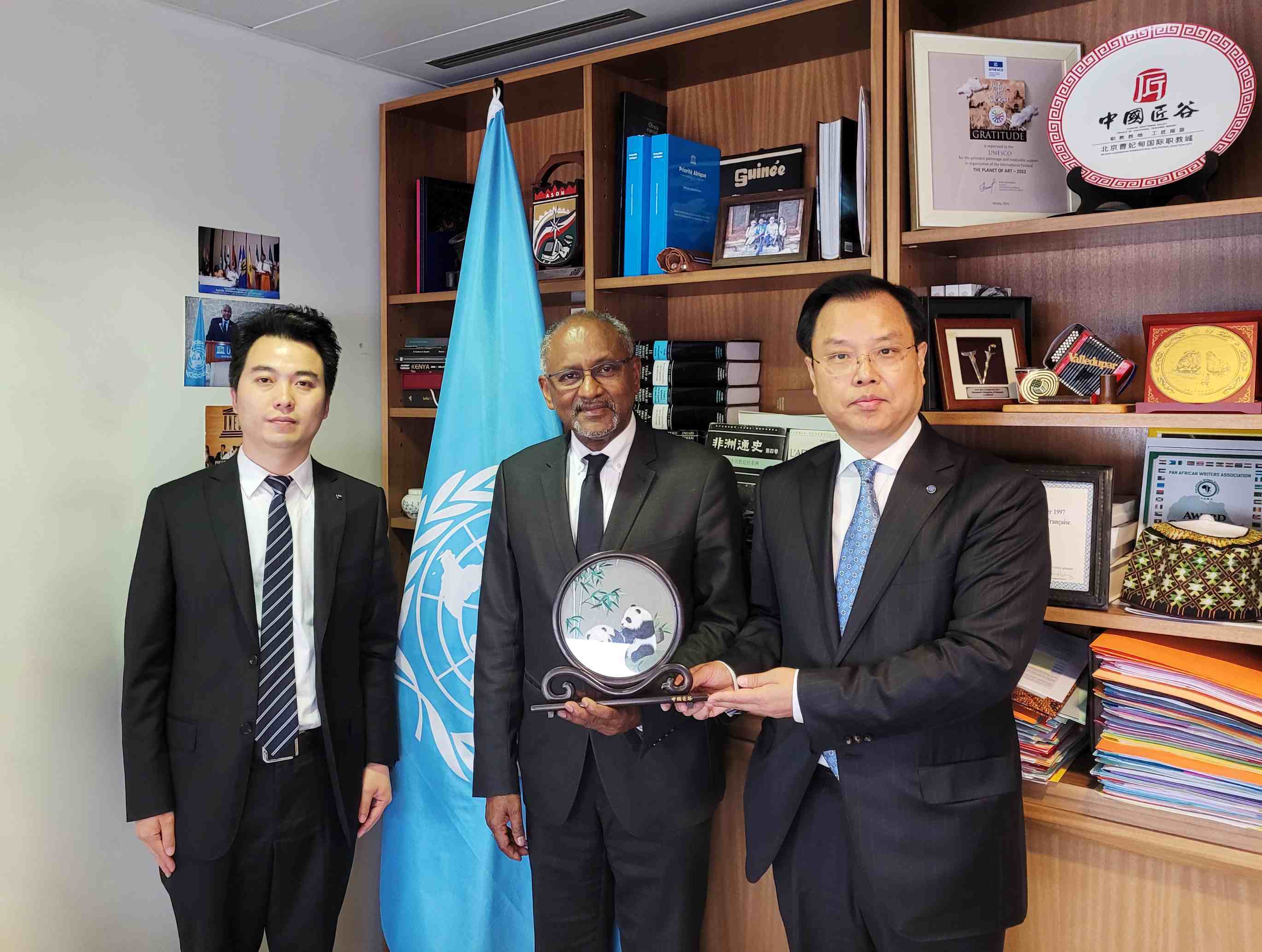
At the opening ceremony, Mr. Zhou Zuoyu, Director of UNESCO INRULED and Deputy Director of the University Council of Beijing Normal University; Ms. Liu Xiao, Deputy Director of the Education, Culture and Tourism Division of the ASEAN-China Centre; Dr. Songheang Ai, Director of SEAMEO TED; and Mr. Shahbaz Khan, Director of UNESCO Multisectoral Regional Office for East Asia, delivered successive opening remarks, expressing strong consensus on deepening regional vocational education cooperation and cultivating future-ready innovative talent. All parties agreed to align with the trends of the new round of technological and industrial revolution, building a collaborative development community for vocational education characterized by resource sharing and complementary advantages, thereby injecting strong momentum into regional high-quality economic development.


At the event, the China-Southeast Asia Joint Initiative on Digital Skills and Talent Development was officially launched. Co-initiated by UNESCO INRULED, SEAMEO TED, China POCY Group, Chengdu Global Skills Academy, and the China-ASEAN Education Cooperation and Development Committee of the China Association for Non-Government Education, the Initiative proposes collaborative directions including the establishment of joint training platforms, priority actions in faculty capacity building, youth exchange and mutual learning, micro-credential system development, opening industry-education training facilities, and establishing long-term dialogue mechanisms. It aims to institutionalize cooperation, sustain project implementation, and deliver tangible outcomes, serving as a model for regional digital talent development.


Sharing Practical Achievements: Building a Collaborative Skills Ecosystem
In the keynote session, Mr. Tang Min, former Counsellor of the State Council and Chairman of the China-ASEAN Education Cooperation and Development Committee of the China Association for Non-Government Education, shared insights on China-ASEAN vocational education coordination, cross-border digital talent cultivation, and long-term regional education cooperation mechanisms. Mr. Yao Yichun, drawing on over two decades of industry-education integration experience, delivered a report titled "China Craftsman Valley: Showcasing the Spirit of Craftsmanship to the World," systematically articulating his profound insights into vocational education transformation in the digital age.

Mr. Yao emphasized that the core of vocational education transformation in the digital era is not simply applying digital technology to traditional teaching, but rebuilding the deep connection between vocational education and industrial development, and fostering a skills ecosystem involving government, institutions, industry, enterprises, and social organizations. He introduced that China POCY Group, with "China Craftsman Valley" as its core platform, has built an international industry-education integration ecosystem through "100+ association collaborations, 1,000+ institution partnerships, 10,000+ enterprise connections, 100,000+ teacher empowerment, and 1,000,000+ talent training" — enabling resource sharing, standard co-development, and collaborative project research.

With the China-ASEAN Free Trade Area 3.0 entering a new implementation phase and cooperation deepening in digital economy and industrial capacity, the demand for skilled talent is entering a period of rapid growth. Facing this historic opportunity, Mr. Yao called on China and Southeast Asian nations to seize the opportunities of the digital age together. Guided by the principle of shared development, he urged mutual recognition of vocational standards, exchange of quality curricula, mutual exchange of faculty, and mutual recognition of learning outcomes — jointly building an open, inclusive, and collaborative regional skills community, and injecting strong vocational education momentum into building a closer China-ASEAN community with a shared future.
In the wave of AI transformation, regional collaboration is not only a matter of technological complementarity but also an inevitable choice for addressing global challenges. From the "learning evolution" in education to "open collaboration" in industry and global "governance consensus," all parties must join hands in building an intelligent ecosystem. By staying true to its educational mission, unleashing the value of data, and deepening industry-education integration, China Craftsman Valley upholds human-centric values in the age of human-machine collaboration, shaping talent advantage through learning evolution and driving development through open collaboration.
Deepening Global Engagement: Building a Two-Way Empowerment Cooperation Network
The workshop also featured two parallel panel discussions, focusing respectively on policy frameworks and national/regional reports, and local innovation and case studies. Education authorities and university experts from China, Cambodia, Indonesia, Malaysia, the Philippines, Thailand, Vietnam and other countries took turns on stage, analyzing the challenges of cross-border vocational education cooperation and sharing their countries‘ experiences in digital vocational education reform in the context of their respective national conditions and regional integration realities.


Panel I: Policy Frameworks and National/Regional Reports


Panel II: Local Innovation and Case Studies
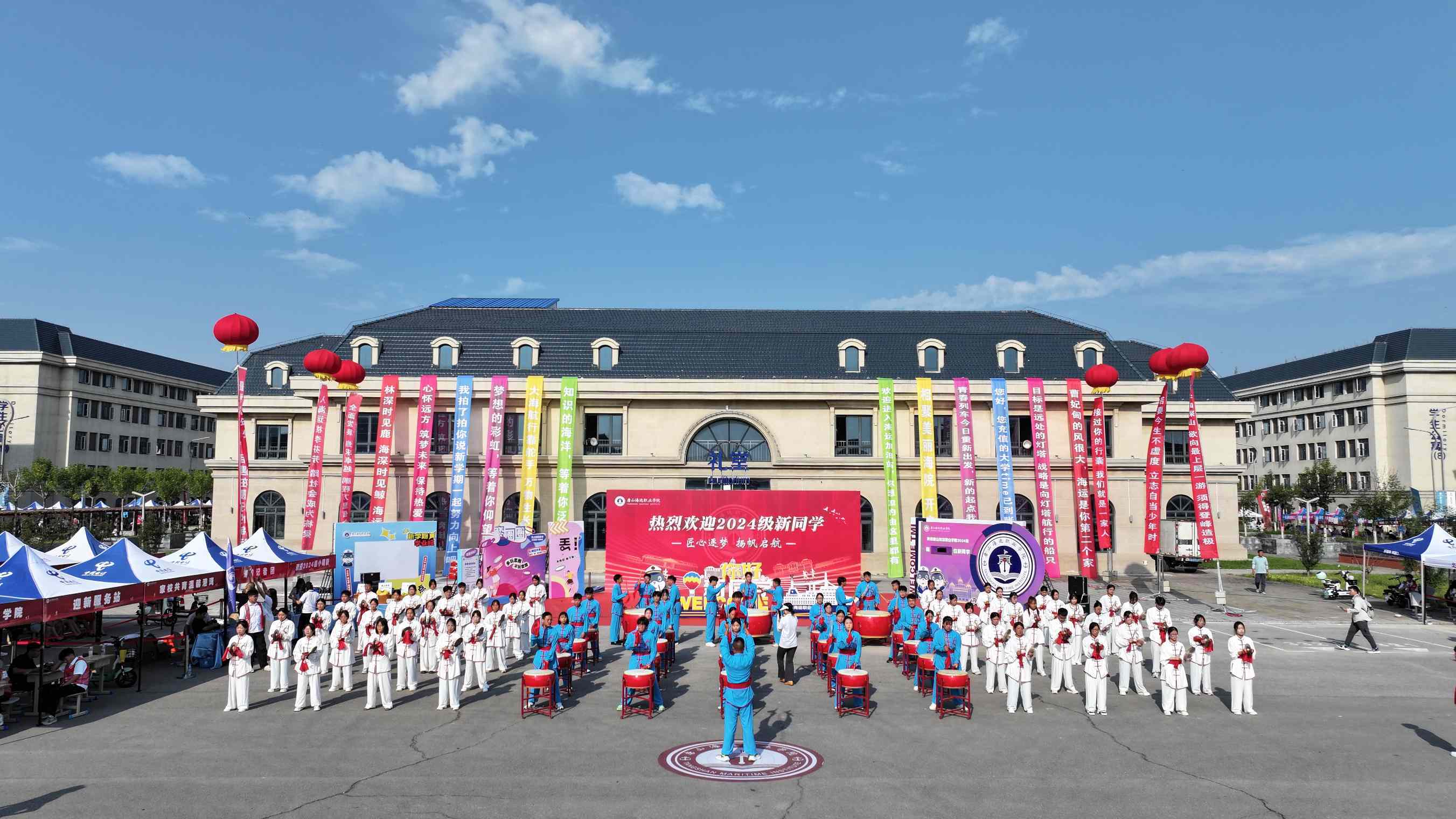
During the "Local Innovation and Case Studies" session, Mr. Li Fei, Dean of the Fisheries and Marine Economics College of Tangshan Marine Vocational College — China Craftsman Valley, shared the college‘s innovative practices in industry-education integration and AI technology applications. He introduced that the college, aligned with regional marine economic development needs, has integrated intelligent aquaculture and digital management technologies into its education system. Leveraging the China Craftsman Valley industry-education integration platform, it connects the education chain with the industrial chain, empowering local industrial upgrading through tangible outcomes.

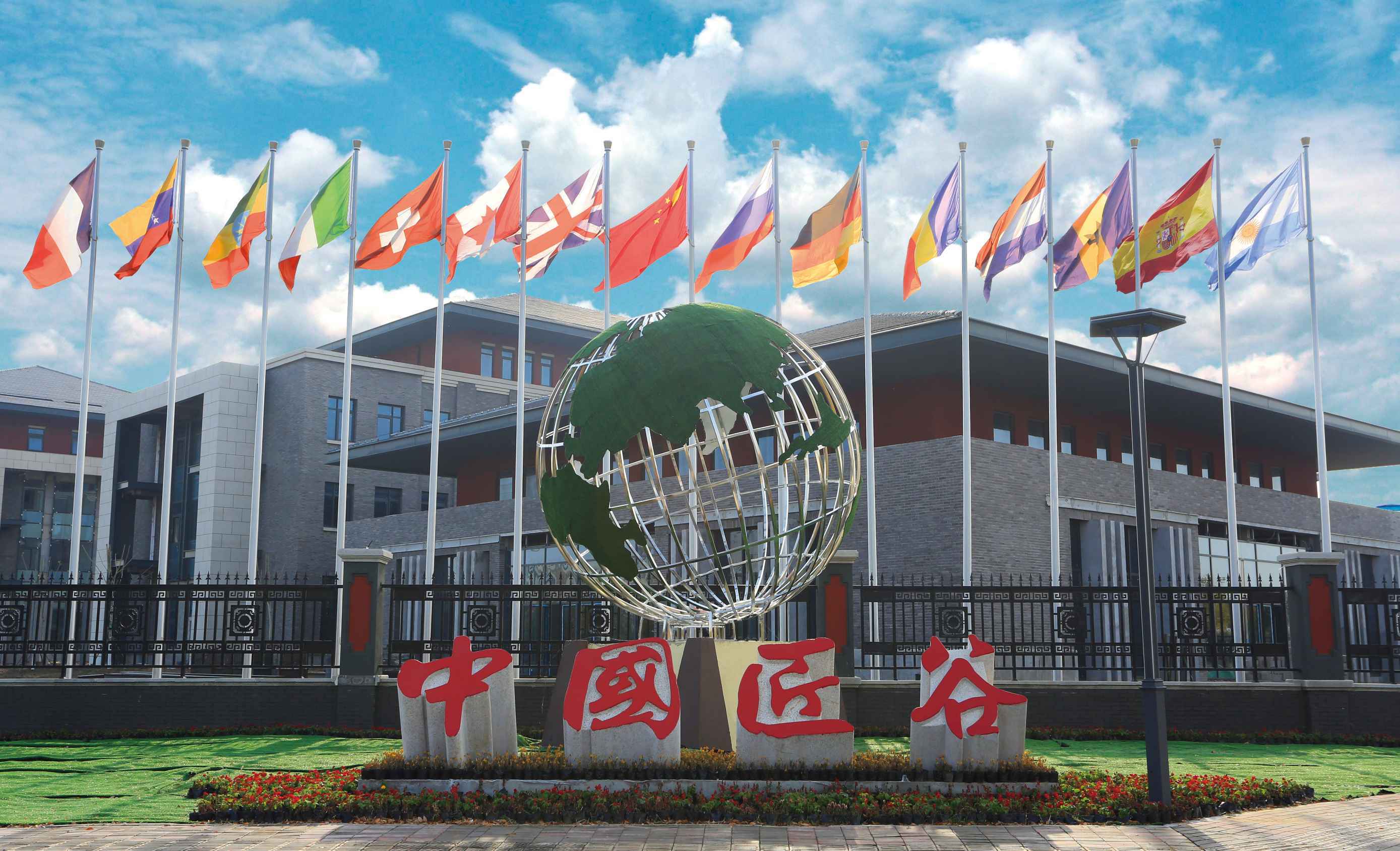
As a co-organizer of the workshop, China POCY Group participated throughout the entire process — from preparation and agenda setting to site visits. During the week-long program, the Southeast Asian delegation will also make a dedicated visit to China Craftsman Valley · Beijing Caofeidian International Vocational Education Town to tour training facilities, specialized institutions, and industrial parks in person, gaining first-hand insight into the practical implementation of the "China Craftsman Valley" model — transforming the workshop‘s theoretical discussions into tangible learning experiences.
At this new starting point of the deepening China-ASEAN comprehensive strategic partnership, China POCY Group will continue to uphold its development philosophy of "empowering industry through education, connecting the world through skills." Leveraging the "China Craftsman Valley" platform, the Group will deepen cooperation with UNESCO, Southeast Asian governments, institutions, and industry partners, continuously sharing China‘s industry-education integration achievements and enriching regional vocational education collaboration models. By expanding into joint talent development, digital vocational education co-construction, and international industrial capacity support, the Group is fully committed to promoting complementarity, resource sharing, and collaborative development in China-ASEAN vocational education — contributing Chinese solutions and POCY strength to building a closer China-ASEAN vocational education community.


All rights reserved by POCY Investment Group Co., Ltd.Beijing ICP No. 17057225-1 Beijing Public Security Bureau No. 11010802030354
Contact us

Address:8th Floor, Block D, Yonggui Center, No. 45, Guangqumennei Street, Dongcheng District, Beijing

Telephone:+86 (10) 67108886

Email:pocy@pocy.com