

Digital Empowerment, Skills for All | China Craftsman Valley International Industry-Education Integration Workshop Establishes a New Paradigm for "Belt and Road" Vocational Education Cooperation
Release time:Jun 26,2026
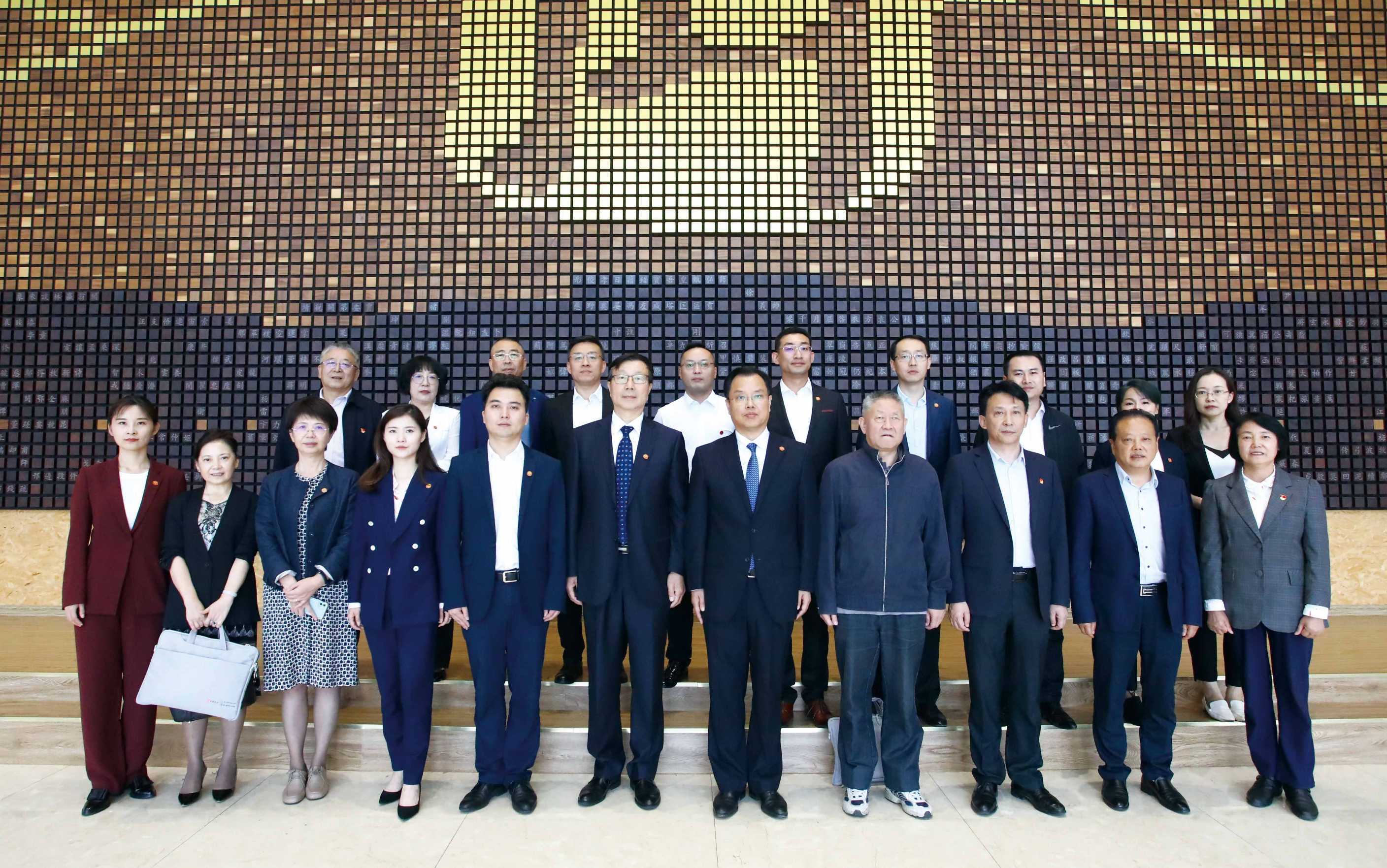
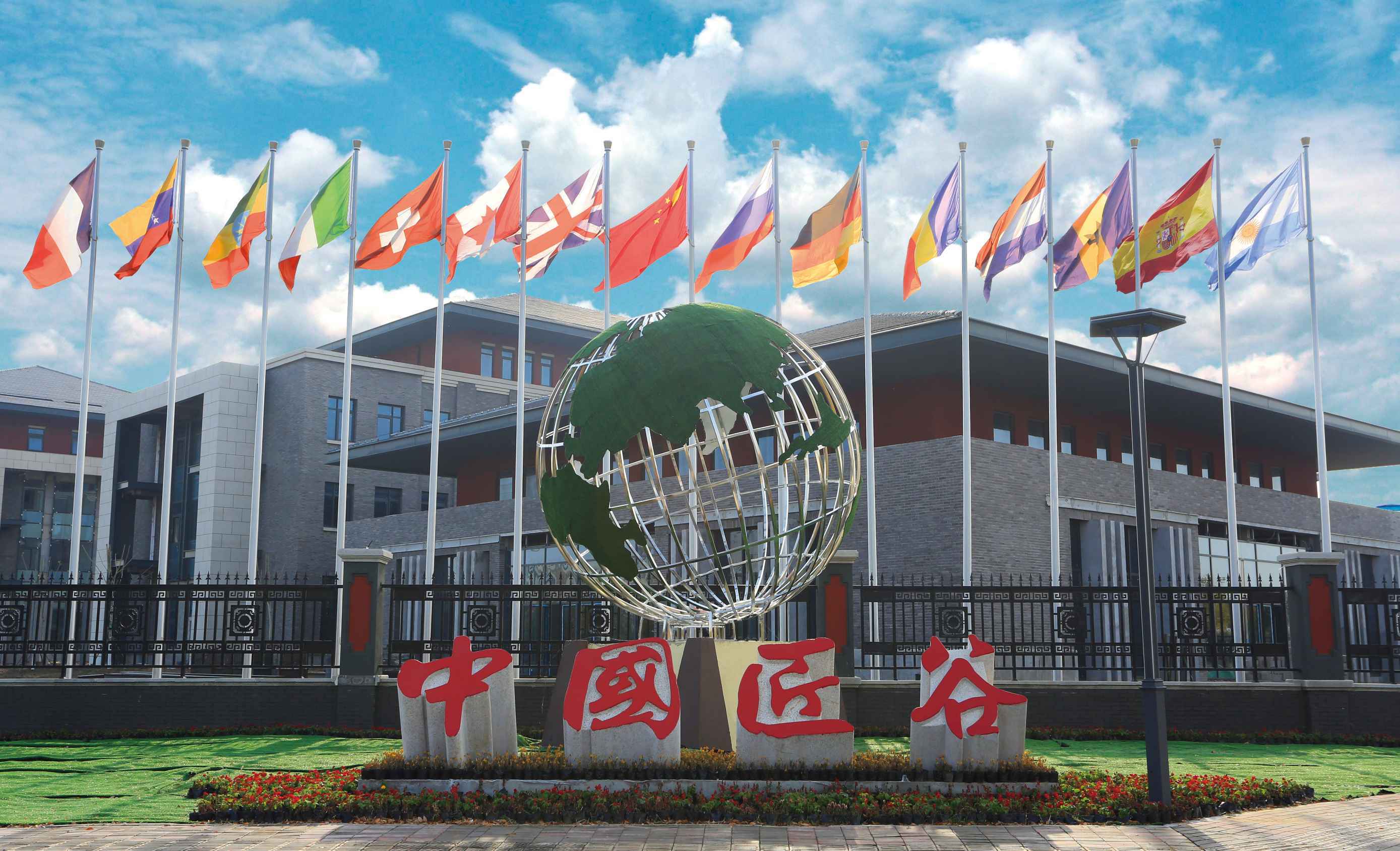
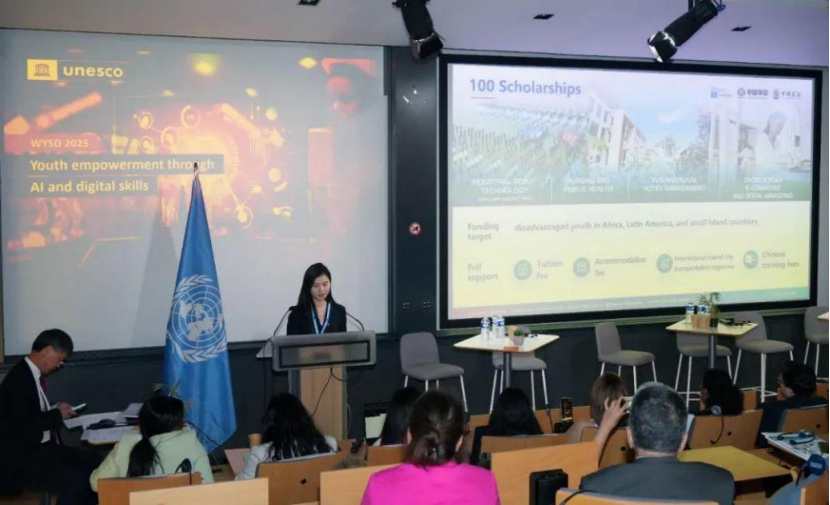
On June 26, the "Digital Empowerment, Skills for All" China Craftsman Valley International Industry-Education Integration Workshop was successfully held at the Beijing Caofeidian International Vocational Education Town. Co-hosted by the UNESCO International Research and Training Centre for Rural Education (INRULED) and China POCY Group, and organized by Caofeidian College of Technology and Tangshan Maritime Institute, the event brought together over 50 policymakers, vocational college presidents, experts, scholars, and industry representatives from China, Southeast Asia, and Africa. Participants engaged in in-depth dialogue on key topics including the digital transformation of vocational education, international industry-education integration practices, and cross-border collaborative talent development — exploring new pathways for global industry-education integration and building a new ecosystem for skills talent cultivation.

In her opening remarks, Ms. Sun Aiping, Executive Vice President of China POCY Group, noted that global industrial and supply chains are undergoing profound restructuring, with digital technologies accelerating their integration with the real economy. This has driven a surge in demand for high-caliber technical talent equipped with comprehensive competencies and international readiness. Regional collaboration in vocational education has become a core pathway for addressing global industrial transformation challenges. She further emphasized that China Craftsman Valley has long been committed to developing pioneering models of industry-education integration, and that the China-ASEAN Joint Initiative on Digital Skills and Talent Development, launched at the previous Beijing meeting, now requires detailed implementation measures through this workshop to ensure full and effective execution.

Dr. Songheang Ai, Director of the SEAMEO Regional Centre for Technical Education Development (SEAMEO TED), highly commended China‘s pioneering exploration in the digital transformation of vocational education. He stressed the critical importance of deepening bilateral vocational education cooperation — not only to bridge technical skills gaps and address talent shortages and technological fragmentation but also to strengthen management capacity through one-on-one exchange and training programs, thereby providing essential support for regional industrial upgrading.

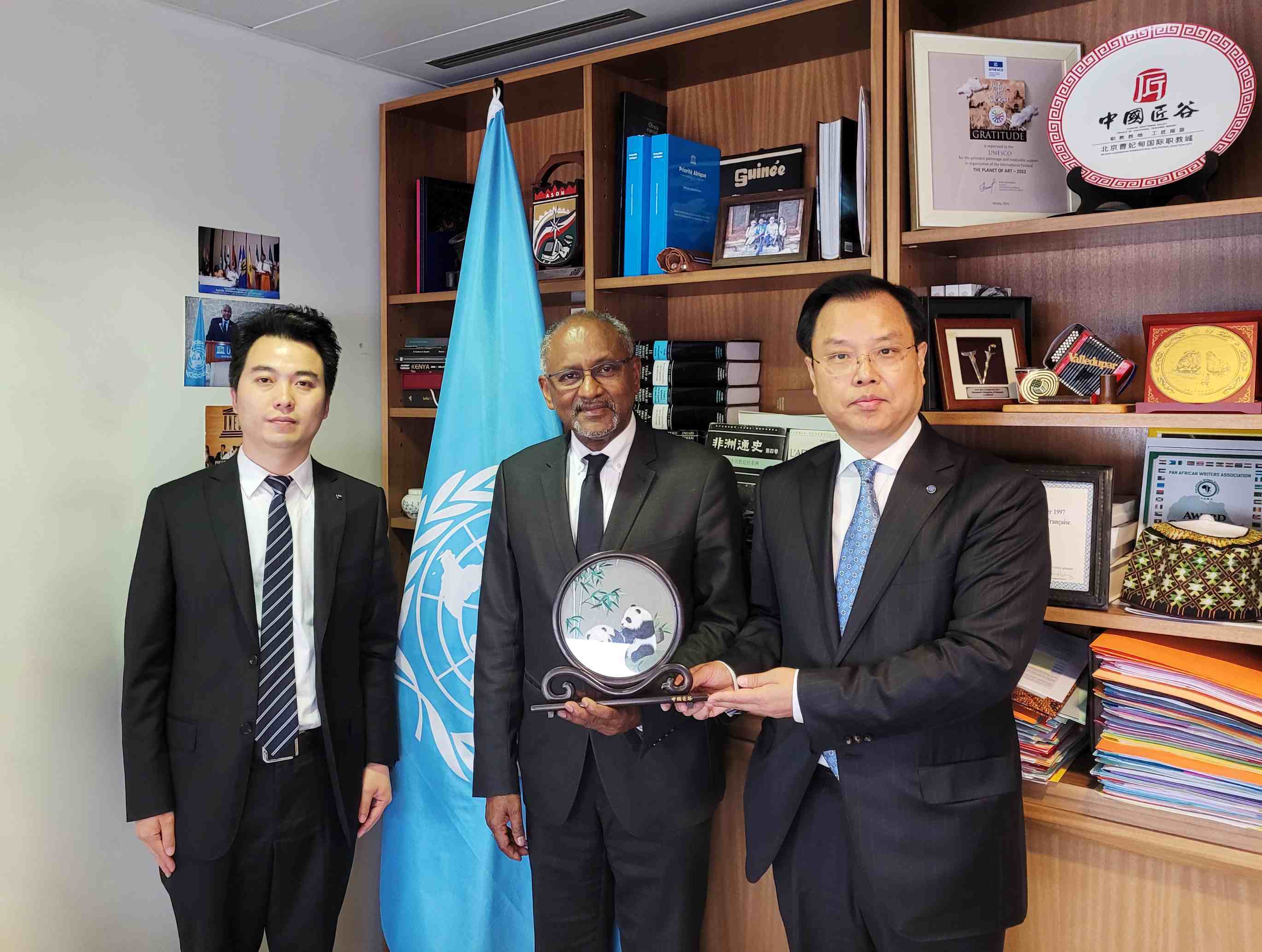
Mr. Qi Xinjian, Assistant Director of UNESCO INRULED, noted in his remarks that the Centre has long focused on educational development, with cooperation spanning all UNESCO member states across Southeast Asia, Africa, and Small Island Developing States. He expressed his hope that participants would advance bilateral exchanges through practical, point-to-point collaboration, with INRULED providing support and facilitation to ensure tangible outcomes.


Ms. Ma Jia, General Manager of the Education Business Division of China POCY Group, served as the opening moderator and delivered the closing summary.
In her keynote address, Ms. Liu Caiqin, President of Caofeidian College of Technology, proposed a "Three-Dimensional Linkage" industry-education integration framework for international cooperation: "Bringing In" — building localized training systems (e.g., introducing Germany‘s SGAVE dual-system program); "Going Out" — expanding overseas service capacity (e.g., hosting UNESCO-GSA programs); and "Broad Connecting" — establishing multi-sector cooperation platforms (e.g., partnerships with institutions across the UK, US, Germany, and Southeast Asia). She systematically articulated Caofeidian College‘s strategic approach to vocational education internationalization.
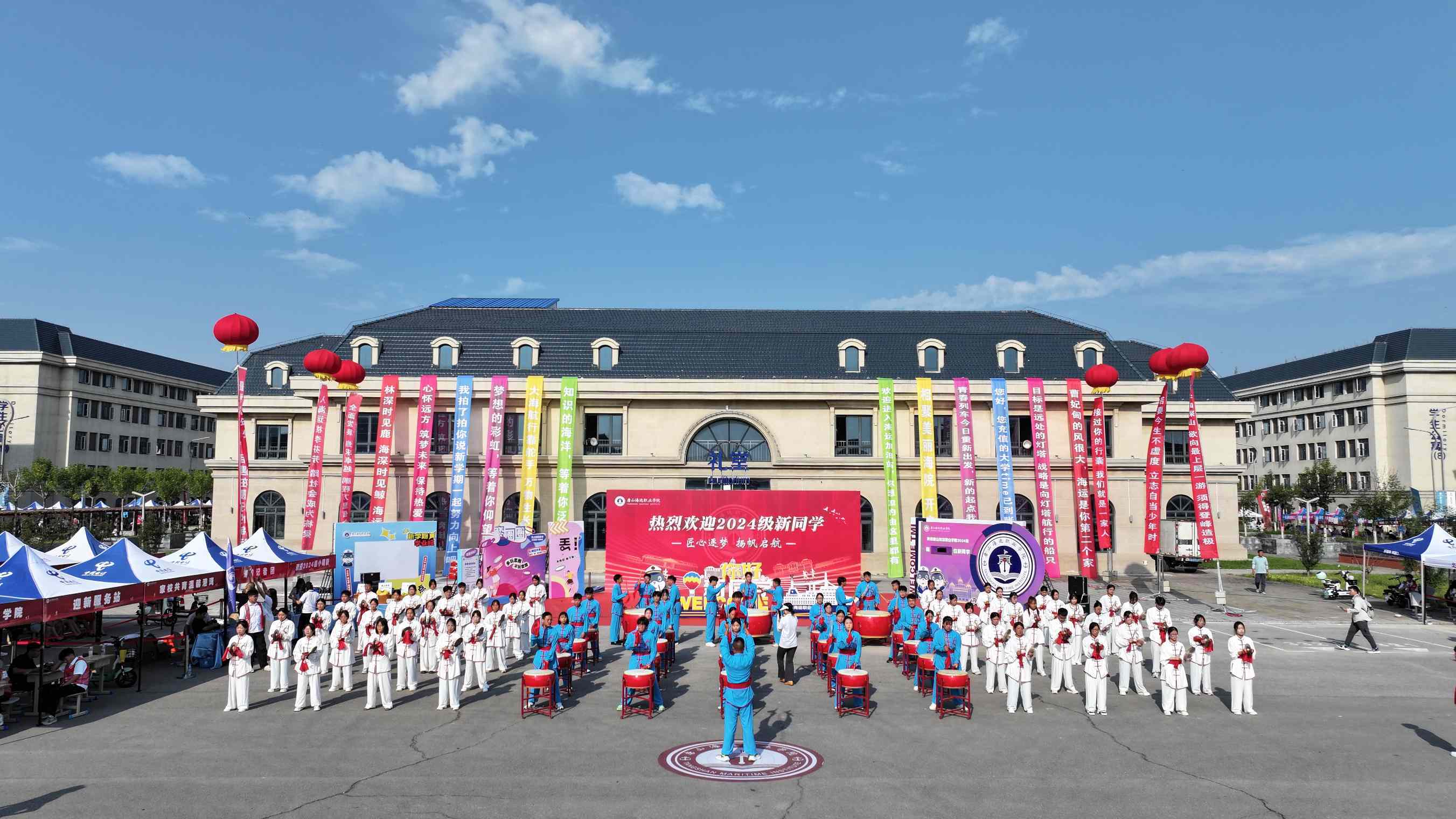
Mr. Li Jiasheng, President of Tangshan Maritime Institute, elaborated on a "dual-subject" talent development model, detailing pathways for deepening industry-education integration across three levels — within the institution, between the institution and its locality, and with industry partners. He highlighted how the college closely aligns with the regional "4+4+4+N" industrial framework, achieving synchronized talent cultivation and industry demand through initiatives such as the "Three Hundred Plan" and industry-specific college partnerships.
At the departmental level, Mr. Li Jiayuan, Teaching and Research Director at Chengdu Agricultural College of Science and Technology, shared innovative practices in agricultural vocational education under the theme "Focusing on Agriculture, Rural Areas, and Farmers — Serving Rural Revitalization." On the international front, the college has deepened agricultural vocational cooperation across multiple ASEAN countries, using agricultural skills as a bridge for cross-border collaboration and offering replicable Chinese experience for talent development in developing nations.
Ms. Zhang Chunying, Dean of the AI College at Caofeidian College of Technology, delivered an insightful presentation on the implementation of the SGAVE program. She provided an in-depth analysis of the "six-step teaching methodology" within the Sino-German Advanced Vocational Education cooperation project, showcasing the successful localization of international standards, the development of industry-tailored teaching materials, the cultivation of dual-qualified faculty, and the far-reaching impact on community services — demonstrating a clear pathway for vocational education transformation in the digital age.
Ms. Sheng Yandi, Deputy Dean of the Business and Tourism School at Tangshan Maritime Institute, focused on the "Chinese + Skills" model. She showcased how the school integrates Chinese language instruction with hospitality and culinary skills through initiatives such as the "InterContinental Talent Academy," "Master Studios," and the self-developed Vocational Chinese for Tourism textbook series. By establishing partnerships with the Huazhu Group‘s Southeast Asia headquarters and securing overseas placements in destinations like the Maldives, the college offers a compelling example of "vocational education going global."


The keynote session was moderated by Ms. Zhang Ning, Vice President of Caofeidian College of Technology.
During the thematic sharing session, representatives from vocational education institutions and colleges in Cambodia, Indonesia, Malaysia, the Philippines, Thailand, Vietnam, and Zambia shared their respective countries‘ vocational education development status and industry-education integration practices. Discussions centered on digital skills cultivation, school-enterprise cooperation models, international student exchange programs, and mutual recognition of occupational standards. Delegates expressed that China Craftsman Valley‘s industry-education integration models and practical achievements offer significant reference value, and they look forward to concrete collaboration in joint program development, faculty and student exchanges, skills training, and research cooperation — achieving complementary advantages and shared benefits.


The thematic sharing session was moderated by Mr. Zhang Shukun, Assistant to the President of Tangshan Maritime Institute.
The successful hosting of this China Craftsman Valley International Industry-Education Integration Workshop represents not only an important milestone in showcasing China Craftsman Valley‘s international vocational education cooperation but also a global convergence of vocational education wisdom in practicing the vision of "Digital Empowerment, Skills for All." The event established a sustainable dialogue platform for vocational education exchange among China, Southeast Asia, and African nations, laying a solid foundation for mutual recognition of vocational standards, resource sharing, and collaborative talent development. Looking ahead, China Craftsman Valley will continue to leverage its platform strengths, deepen resource connectivity with ASEAN and Belt and Road partner countries, accelerate the transition of international industry-education integration from conceptual consensus to project implementation, and contribute Chinese wisdom and strength to the global advancement of vocational education and skills development.



All rights reserved by POCY Investment Group Co., Ltd.Beijing ICP No. 17057225-1 Beijing Public Security Bureau No. 11010802030354
Contact us

Address:8th Floor, Block D, Yonggui Center, No. 45, Guangqumennei Street, Dongcheng District, Beijing

Telephone:+86 (10) 67108886

Email:pocy@pocy.com