

SEAMEO TED and Delegation from Cambodia‘s Ministry of Education, Youth and Sport Visit China POCY Group
Release time:Jun 22,2026
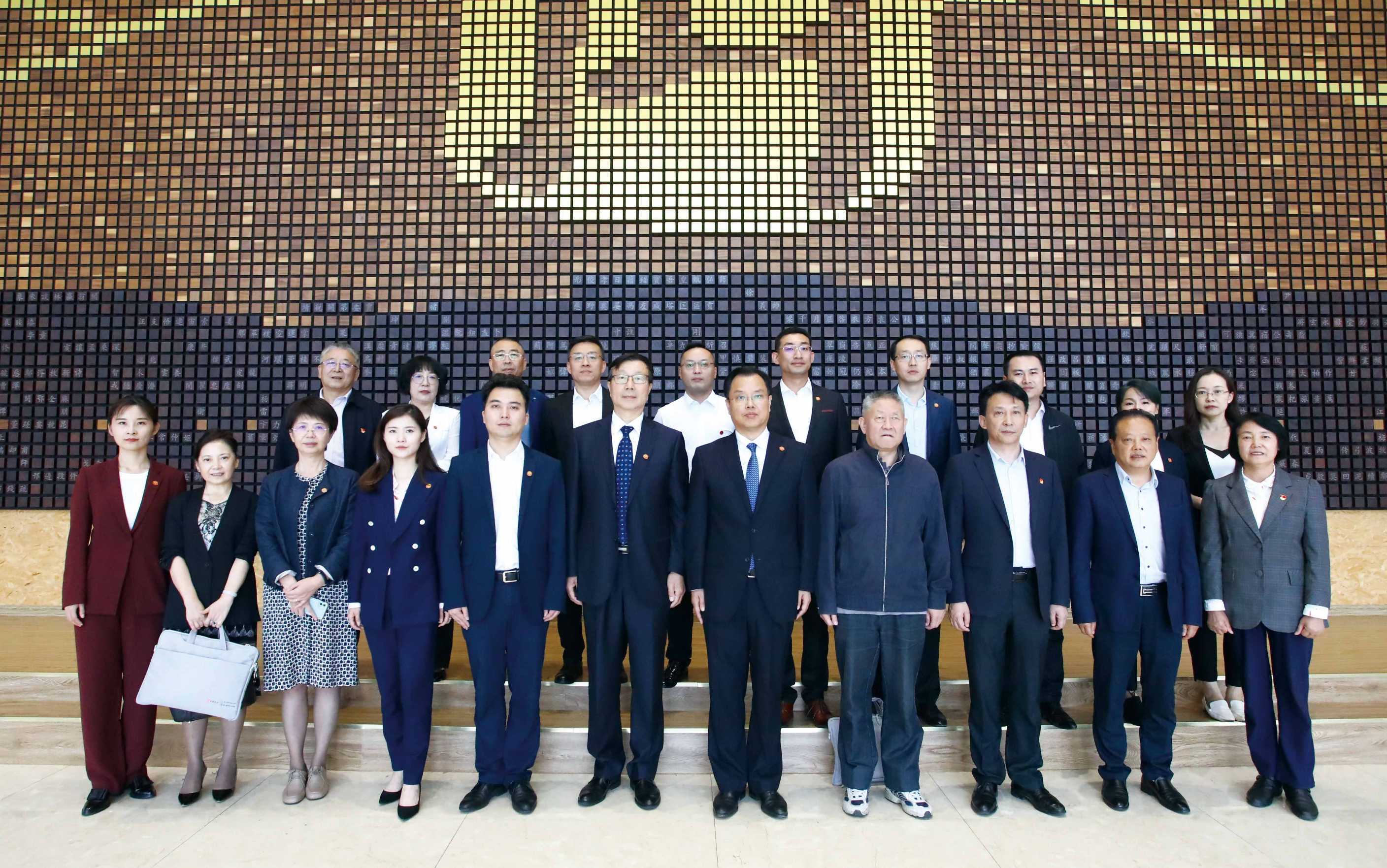
On June 22, 2026, a delegation comprising Dr. Zhao Yuchi, Executive Director of the UNESCO International Research and Training Centre for Rural Education (INRULED); Dr. Songheang Ai, Centre Director of the SEAMEO Regional Centre for Technical Education Development (SEAMEO TED); Mr. Rien Chamrong, Vice Head of Public Relations and Partnerships, SEAMEO TED; Mr. Nhil Sothy, Officer of the Technical Education and Training Division, SEAMEO TED; Mr. Eng Vanna, IT Lecturer at the National Technical Training Institute (NTTI), Ministry of Labour and Vocational Training of Cambodia; Mr. Ratana Chuob, Director of the Tourism Professional Training Department and Head of the NCTP Secretariat, Ministry of Tourism; Mr. Kumnith Chhim, Head of the Department of General Secondary Education, Ministry of Education, Youth and Sport; Mrs. Srey Lot Tha, Officer of the Finance Department, Ministry of Education, Youth and Sport; and Mr. NGET SODA, Director of the Takeo Regional Teacher Training Center, visited China POCY Group for an exchange and dialogue. The two sides engaged in in-depth discussions on core topics including cross-border talent cultivation, joint faculty development, digital vocational education, and joint program development, reaching multiple practical cooperation consensus. Mr. Yang Zhilin, Executive President of China POCY Group, and Ms. Sun Aiping, Executive Vice President, hosted the delegation. The meeting was moderated by Ms. Ma Jia, General Manager of the Education Business Division of China POCY Group.

Demonstrating Core Industry-Education Strength, Laying a Solid Foundation for Cross-Border Cooperation
At the start of the meeting, Mr. Yang Zhilin, Executive President of China POCY Group, extended a warm welcome to the delegation on behalf of the Group. He noted that China and Cambodia enjoy close friendly relations and highly complementary industrial structures, and that the widening skills gap in Southeast Asia makes vocational education cooperation particularly timely. He proposed four cooperation directions: establishing an integrated industry-education platform to build a solid cooperation foundation; promoting two-way faculty exchanges and mutual recognition of vocational skills standards; leveraging digital vocational education to empower youth innovation in Southeast Asia; and establishing a regular communication mechanism to build a long-term cooperation model, thereby deepening and solidifying China-Cambodia vocational education cooperation.

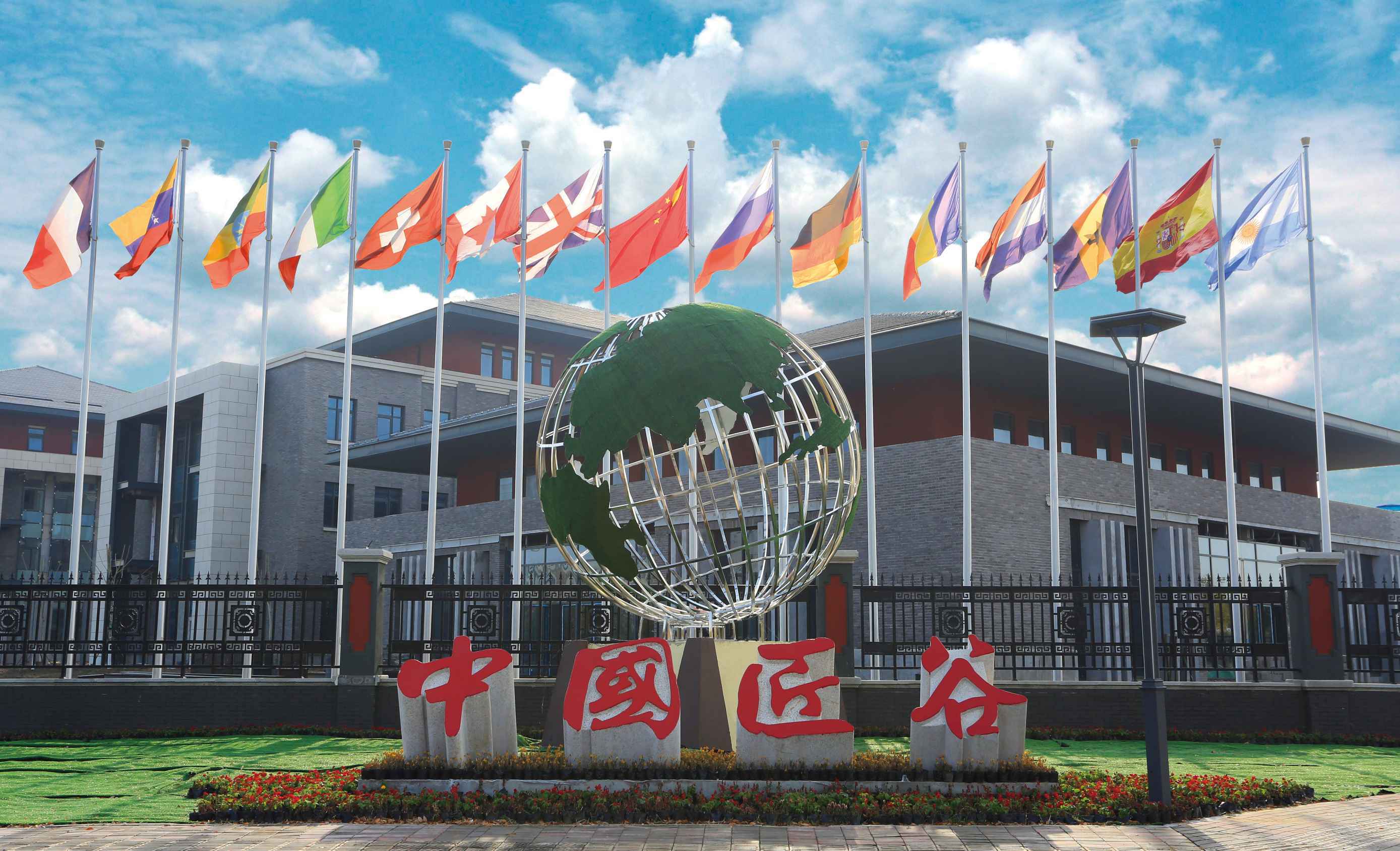
As the exclusive operator of the only UNESCO-accredited World Vocational Education Training Base in China, China POCY Group has been deeply engaged in industry-education integration for over two decades, building a full-chain closed-loop vocational education system covering institutional investment and construction, professional teaching and research, targeted talent cultivation, and comprehensive employment placement. On the domestic front, the Group has invested in, constructed, and now operates four major vocational education towns, with 10 institutions serving over 100,000 enrolled students and a graduate employment rate consistently exceeding 98%. On the international front, the Group connects over 100 quality institutions in China, more than 100 overseas universities, and over 1,000 leading enterprises, with operations spanning more than 20 countries and regions worldwide. The Group has accumulated extensive experience in two-way faculty exchanges, mutual recognition of vocational skills standards, and localized talent cultivation overseas.
Building Consensus on Cross-Border Vocational Education Development
Dr. Zhao Yuchi, Executive Director of UNESCO INRULED, reviewed the strong foundation of cooperation between the two sides over the years and affirmed the achievements made in vocational education internationalization, industry-education integration innovation, and overseas education service delivery. He expressed that building on this multi-party dialogue, efforts will be made to advance key projects including teacher and student exchange programs, joint educational programs, and international curriculum co-development, further opening up multilateral education cooperation channels between China and Southeast Asia and promoting connectivity and complementary advantages in regional educational resources.

Dr. Songheang Ai, Centre Director of SEAMEO TED, highly commended the practical outcomes of China POCY Group‘s domestic and international industry-education integration projects. He affirmed that SEAMEO TED will fully leverage its role as a bridge for regional education organizations, facilitating the implementation of cross-border vocational education collaboration and providing policy coordination, resource integration, and communication support to ensure the efficient and smooth implementation of the cooperation projects agreed upon during this meeting.

During the exchange and discussion session, members of the Cambodian delegation, drawing on their country‘s industrial development needs and existing vocational education gaps, engaged in targeted in-depth discussions on specialized areas including medium- and long-term joint student training, tourism and hospitality vocational skills training, AI-powered smart teaching applications, STEM education system development, and cross-border deployment of Chinese language teaching faculty. The dialogue precisely aligned bilateral educational resources and cooperation needs, refining the details of project implementation.
Charting Implementation Pathways, Building Long-Term Mechanisms to Empower Regional Development
In her concluding remarks, Ms. Sun Aiping, Executive Vice President of China POCY Group, noted that the industrial structures of China and Southeast Asian countries are highly complementary, with significant room for coordinated development in manufacturing, modern services, and tourism and hospitality. She emphasized that multi-skilled, practical technical talent is the key driver for regional industrial integration and economic development. Building on the consensus reached during this meeting, the Group will work with all parties to establish four major cross-border cooperation platforms: a two-way teacher and student exchange platform; a customized vocational education curriculum development platform tailored to Southeast Asian industrial needs; a jointly built and shared smart training facility platform; and a cross-border faculty training and capacity development platform — comprehensively addressing the hardware and software gaps in Southeast Asian vocational education.

This multi-party dialogue marks not only a strategic move in China POCY Group‘s deepening international industry-education integration strategy but also an important practice in bringing China‘s high-quality vocational education standards and proven industry-education integration models to Southeast Asia, contributing to the upgrading of regional skilled talent. Building on this new cooperation starting point, China POCY Group will continue to leverage its platform and industrial resource advantages, working hand in hand with UNESCO, Southeast Asian regional education institutions, and Cambodian government agencies to deepen cross-border vocational education co-construction. Through skills co-development empowering industrial connectivity and education cooperation strengthening bilateral friendship, the Group will continue to inject long-term momentum into the internationalization of China‘s vocational education and the integrated development of Southeast Asia‘s regional economy.

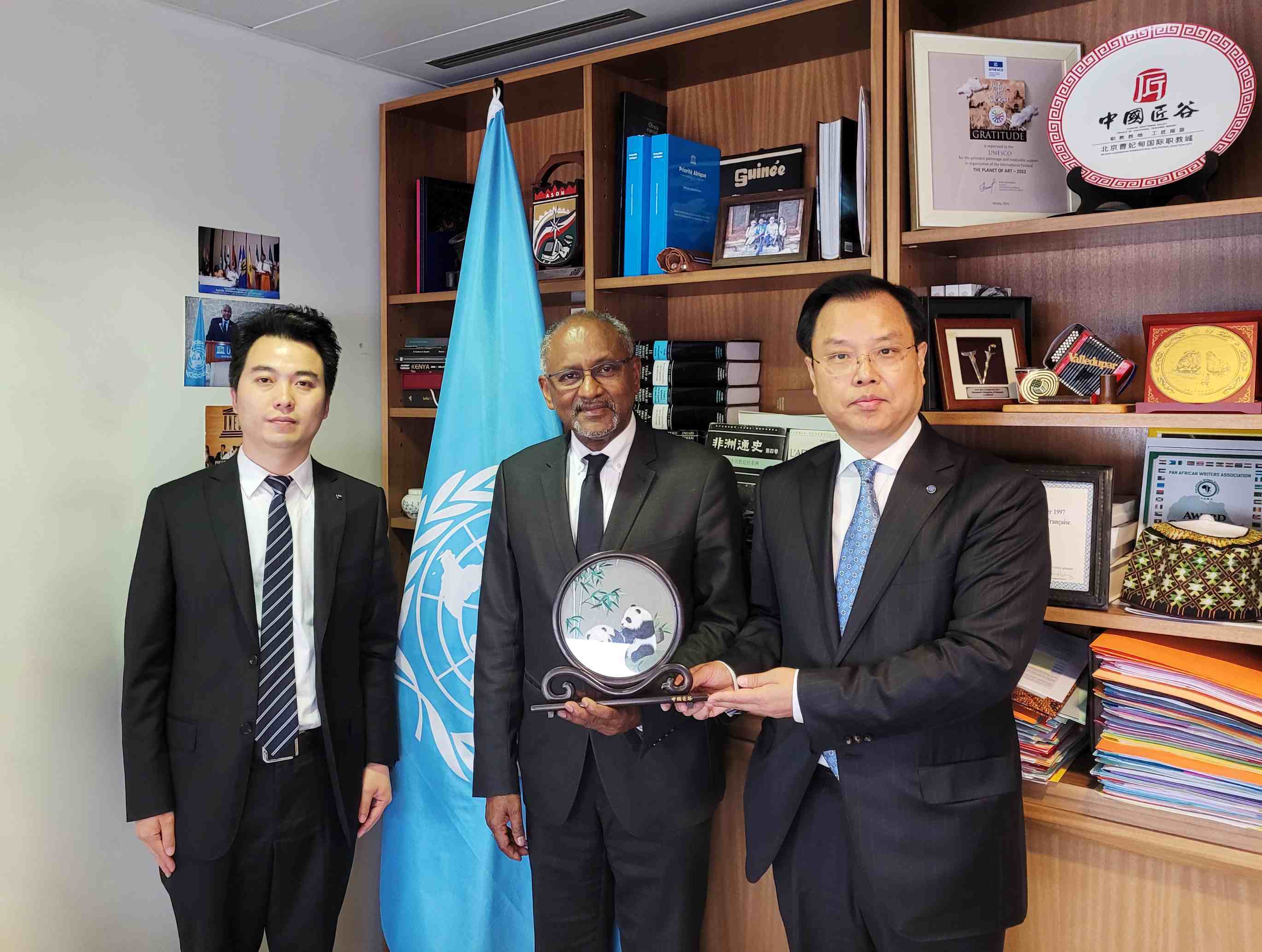
Mr. Yang Zhilin, Executive President of China POCY Group, presents a gift to
Dr. Songheang Ai, Director of SEAMEO TED.


All rights reserved by POCY Investment Group Co., Ltd.Beijing ICP No. 17057225-1 Beijing Public Security Bureau No. 11010802030354
Contact us

Address:8th Floor, Block D, Yonggui Center, No. 45, Guangqumennei Street, Dongcheng District, Beijing

Telephone:+86 (10) 67108886

Email:pocy@pocy.com