

North-South Synergy, Digital-Real Coexistence | China POCY Group Joins Hands with UNESCO Innovation Center (Shenzhen, China) to Build an International Industry-Education Integration Base
Release time:Sep 22,2026
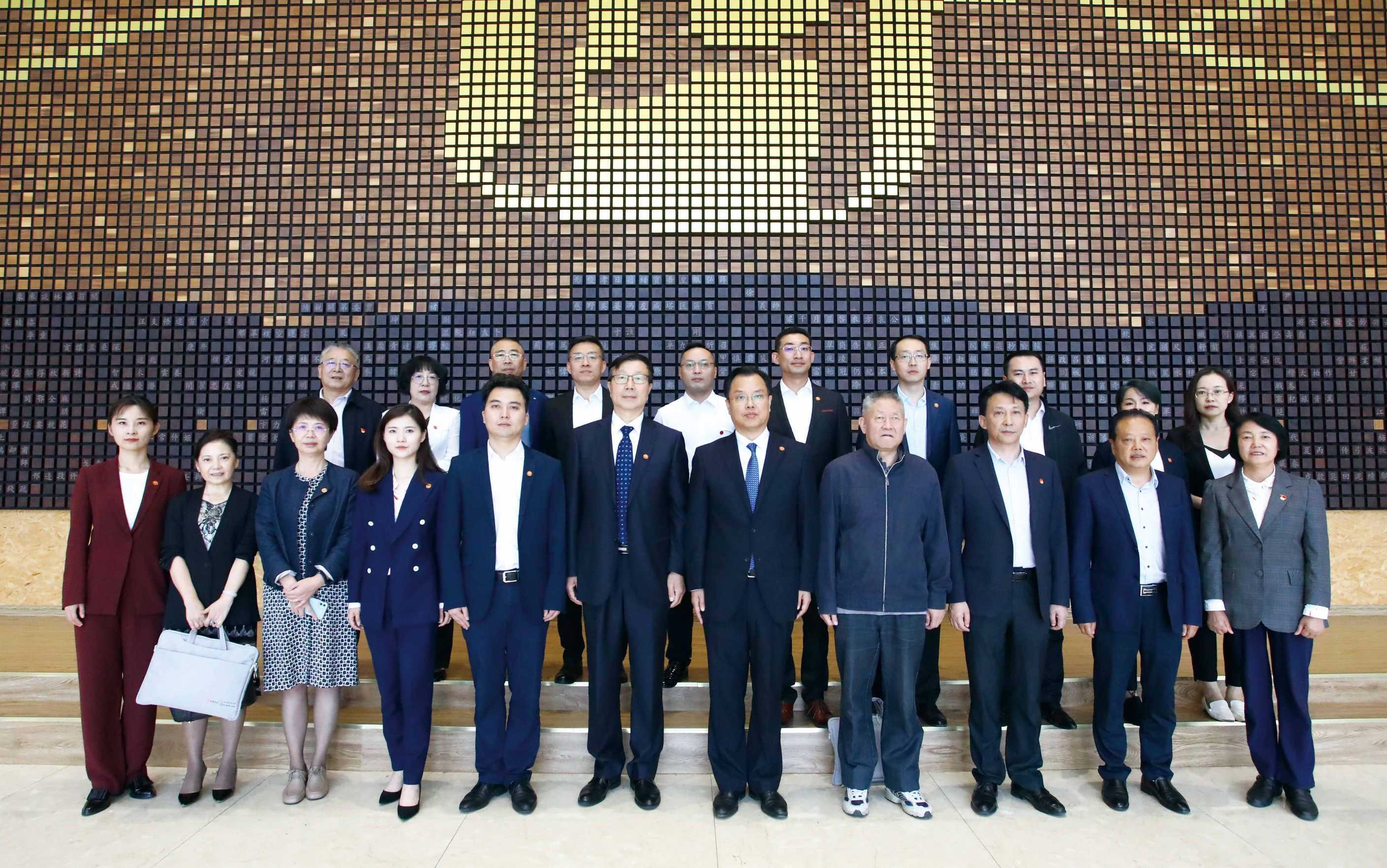
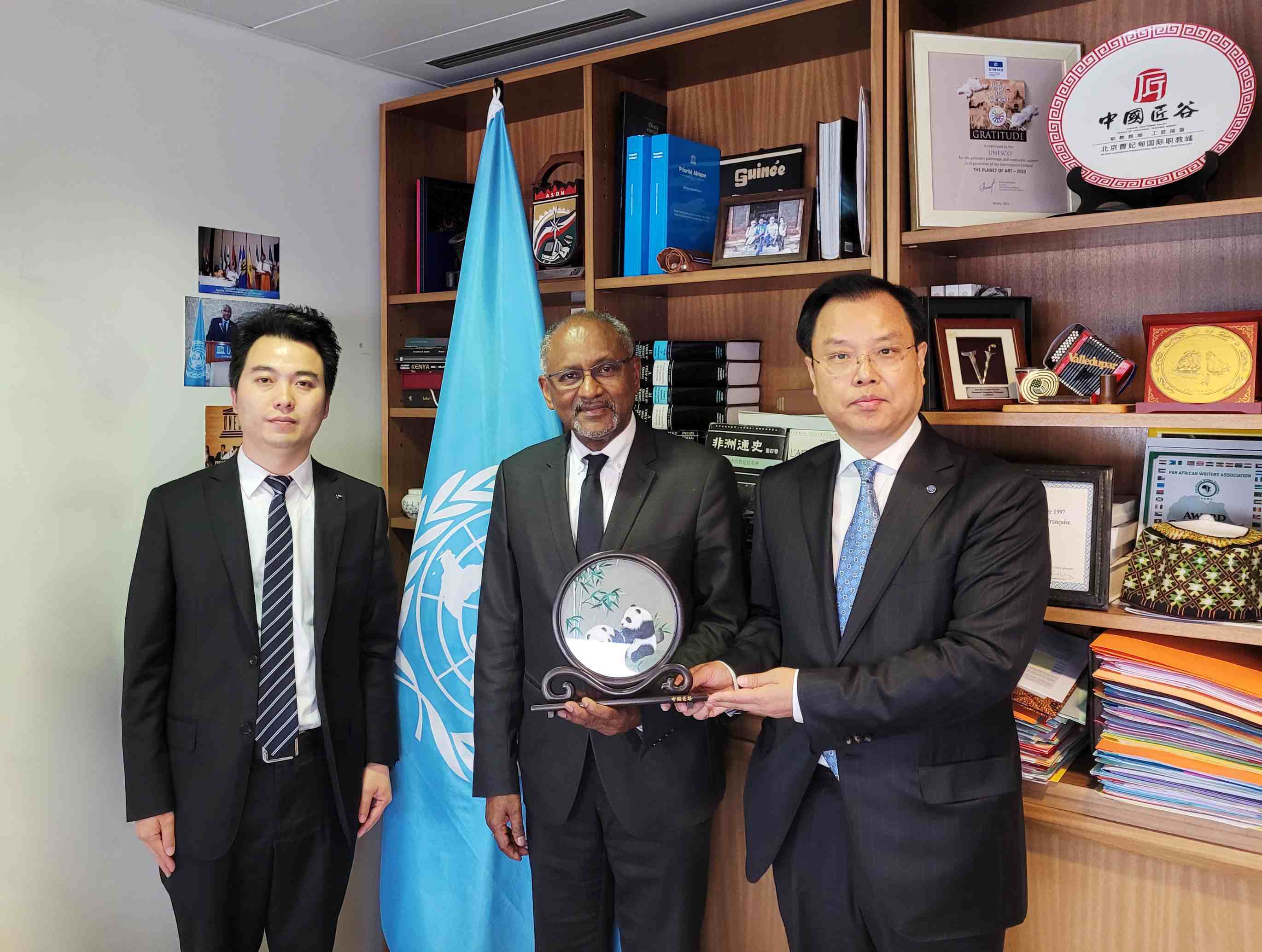
On September 21, the signing ceremony between China POCY Group and the UNESCO International Centre for Higher Education Innovation (Shenzhen, China) (hereinafter referred to as the "Innovation Center") was held at the Beijing Caofeidian International Vocational Education Town. The two parties officially announced the joint establishment of the "China Craftsman Valley International Industry-Education Integration Base (Shenzhen, China)." Li Ming, Founding Director of the Innovation Center and Secretary-General of the International Institute of Online Education (IIOE); Bi Xiaohan, Deputy Director of the Innovation Center; Cao Zi'an, Head of the IIOE Operations Center; Tang Xiangzheng, Project Manager; Yao Yichun, Chairman of the Integration of Industry and Education Committee of the World Federation of UNESCO Clubs, Centres and Associations and Chairman and President of China POCY Group; Yang Zhilin, Executive President of China POCY Group; Sun Aiping, Executive Vice President; Ma Jia, General Manager of the Education Business Division; and other representatives from both sides attended and witnessed the signing.
Targeting the Global "Skills Gap," Pooling Efforts to Cultivate Hardcore Talent
This cooperation points to a global issue.
"At present, there is a huge global skills gap among youth, and developing countries urgently need practical, low-cost industry-education integration solutions," Li Ming said at the signing ceremony. This cooperation will fully leverage IIOE's global digital education technology and online resource advantages, combined with POCY Group's offline physical school operation and industry-education implementation capabilities, to promote precise matching and cross-border flow of global industry-education resources, and provide a new paradigm and feasible path for the digital transformation of vocational education in emerging markets such as Asia and Africa.

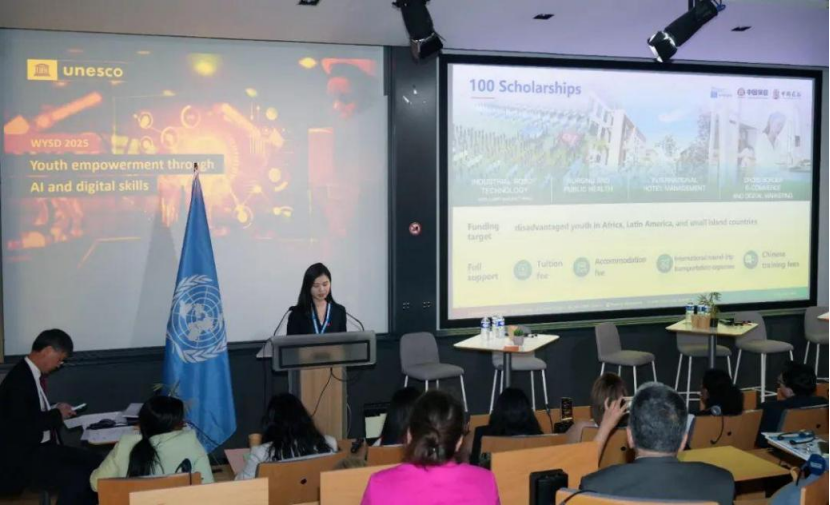
Li Ming, Founding Director of the UNESCO International Centre for Higher Education Innovation (Shenzhen, China) and Secretary-General of the International Institute of Online Education (IIOE), delivers a speech
Yao Yichun stated that China POCY Group has always adhered to the development philosophy of "empowering industry through education and connecting the world through skills." The joint establishment of this base is a key step for the Group to further advance its internationalization layout in vocational education. "We will integrate and transform the 'industry-education-town' operation experience accumulated over more than twenty years into shareable and replicable public education products through digital tools, so that the practical achievements of China's industry-education integration can serve the skills improvement of global youth."

Yao Yichun, Chairman of the Integration of Industry and Education Committee of the World Federation of UNESCO Clubs, Centres and Associations and Chairman and President of China POCY Group, delivers a speech
Integrating the "Two Carriers" of Digital and Real, Activating the Momentum of Two-Way Endeavor
The two parties in this cooperation are precisely representatives of two key capabilities in China's exploration of education internationalization.
As a Category II official institution jointly established by UNESCO and the Shenzhen Municipal People's Government, the Innovation Center has long been deeply engaged in global higher education digital innovation. Relying on the mature IIOE ecosystem, it has built an industry-education cooperation network and resource matrix covering 48 countries worldwide, possessing global, digital, and standardized international education service capabilities—this is a "digital network" spread across the world.
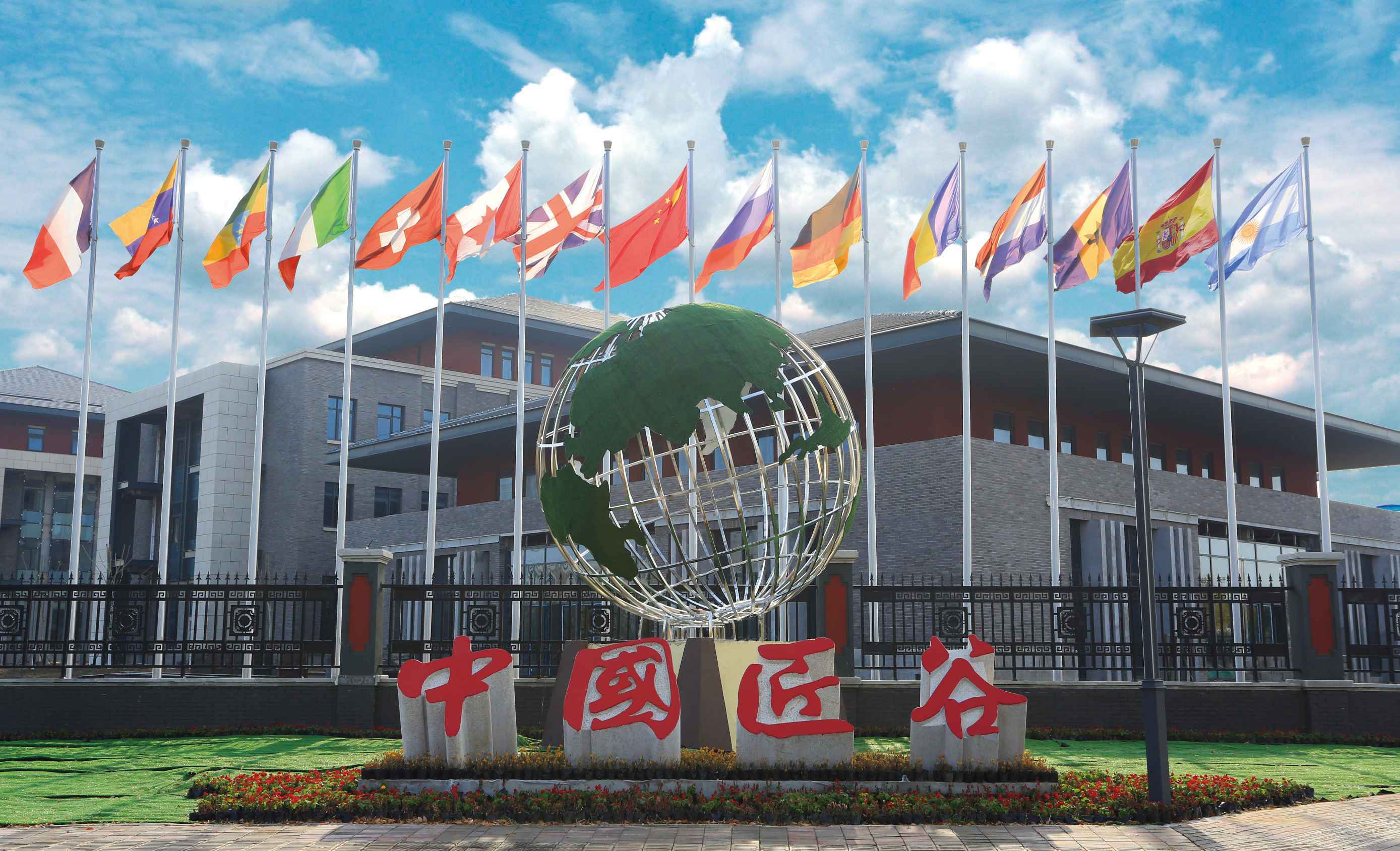
China POCY Group, on the other hand, has been deeply engaged in vocational education for more than twenty years, meticulously building the "China Craftsman Valley " vocational education brand, and innovatively constructing a "education + industry + city" trinity integrated development model, forming a full-chain vocational education ecosystem integrating school operation, industry incubation, talent cultivation, and international exchange. Its Beijing Caofeidian International Vocational Education Town is recognized by UNESCO as a "World Vocational Education and Training Base," and has long carried out "Chinese + Vocational Skills" cross-border education projects, accumulating rich practical, combat-oriented operation experience—this is a "vocational education highland" rooted in the physical.

Bi Xiaohan, Deputy Director of the UNESCO International Centre for Higher Education Innovation (Shenzhen, China), and Yang Zhilin, Executive President of China POCY Group, sign on behalf of both parties
One side is an industry-education integration operator with a mature school operation system, real industrial training scenarios, and rich cross-border education experience; the other is a digital education innovation platform based in the Guangdong-Hong Kong-Macao Greater Bay Area and grown from UNESCO's global network. When the experience accumulated from "physical school operation" meets the global reach of the "digital network," a new path for China's vocational education internationalization exploration is clearly emerging.
Anchoring Four Major "Practical Tracks," Building a Cross-Border Education Closed Loop
It is understood that the newly established "China Craftsman Valley International Industry-Education Integration Base (Shenzhen, China)" already has a clear task list—closely following the opportunities of the "Belt and Road" construction and the development needs of global skilled talent, focusing on four major directions: vocational education standard development, digital course construction, cross-border teacher training, and industry-education project matching.
These four directions each have their own focus: standard development solves the problem of "no rules," digital courses solve the problem of "scarce resources," teacher training solves the problem of "who will teach," and project matching solves the problem of "what is the use of learning"—all pointing to one goal: helping developing countries fill the shortcomings of vocational education development, improve the quality of localized school operation and talent cultivation capabilities, and build a high-quality platform for global youth for skills improvement, career development, and cross-border employment.
Sun Aiping, Executive Vice President of China POCY Group, presides over the meeting
At the same time, Shenzhen's locational value is highly expected. As a pilot demonstration zone, Shenzhen has the policy advantages of opening up, the locational advantages of being adjacent to Hong Kong and Macao, and the innovation advantages of the digital economy. The base will fully leverage these endowments, link domestic and foreign vocational colleges and leading industry enterprises, and build an open and shared international industry-education integration ecosystem—on the one hand, unblocking the channel for Chinese vocational education standards, school operation achievements, and education models to "go global"; on the other hand, absorbing and integrating international high-quality vocational education resources and advanced technical concepts to "bring in," creating a national-level vocational education international exchange hub.
On one side is the vocational education practice highland rooted in the physical and deeply engaged in implementation on the coast of the Bohai Sea; on the other side is the digital open hub gathering innovation and connecting the world in the Guangdong-Hong Kong-Macao Greater Bay Area. Once the pattern of "two-way empowerment from north to south, two-way linkage online and offline" takes shape, it will open up a complete closed loop of "domestic practice, global output, digital empowerment, and localized education"—China's vocational education experience is first polished and matured in physical scenarios, then achieved low-cost global reach through digital networks, and finally completes the "last mile" of education implementation through localized industry-education integration projects.
In today's world where the global vocational education landscape is accelerating its restructuring, this road paved by digital technology and physical craftsmanship leads to a broad future for the skills improvement of global youth, and also to a new pattern in which China's vocational education demonstrates its characteristics and contributes its strength on the world stage.


All rights reserved by POCY Investment Group Co., Ltd.Beijing ICP No. 17057225-1 Beijing Public Security Bureau No. 11010802030354
Contact us

Address:8th Floor, Block D, Yonggui Center, No. 45, Guangqumennei Street, Dongcheng District, Beijing

Telephone:+86 (10) 67108886

Email:pocy@pocy.com