

Enhancing Sino-French Cooperation & Revitalizing the Franco-Chinese Institute: Franco-Chinese Institute Symposium – Beijing Forum 2025 Successfully Held
Release time:Nov 09,2025
In a world undergoing profound turbulence and transformation, global challenges are emerging one after another. Addressing issues like climate change, public health security, and the risks and opportunities presented by artificial intelligence effectively is beyond the capability of any single nation. In this context, strengthening dialogue between civilizations and eliminating estrangement and prejudice have become indispensable pathways to peace and sustainable development. As key representatives of Eastern and Western civilizations, China and France, both with long histories and brilliant cultures, place high importance on education and innovation. Deepening cooperation between the two countries in education, technology, and humanities is not only crucial for bilateral relations but also carries the responsibility of injecting stability and positive momentum into a turbulent world. Against this backdrop, the convening of the 2025 Beijing Forum – Franco-Chinese Institute Sub-Forum is especially timely.
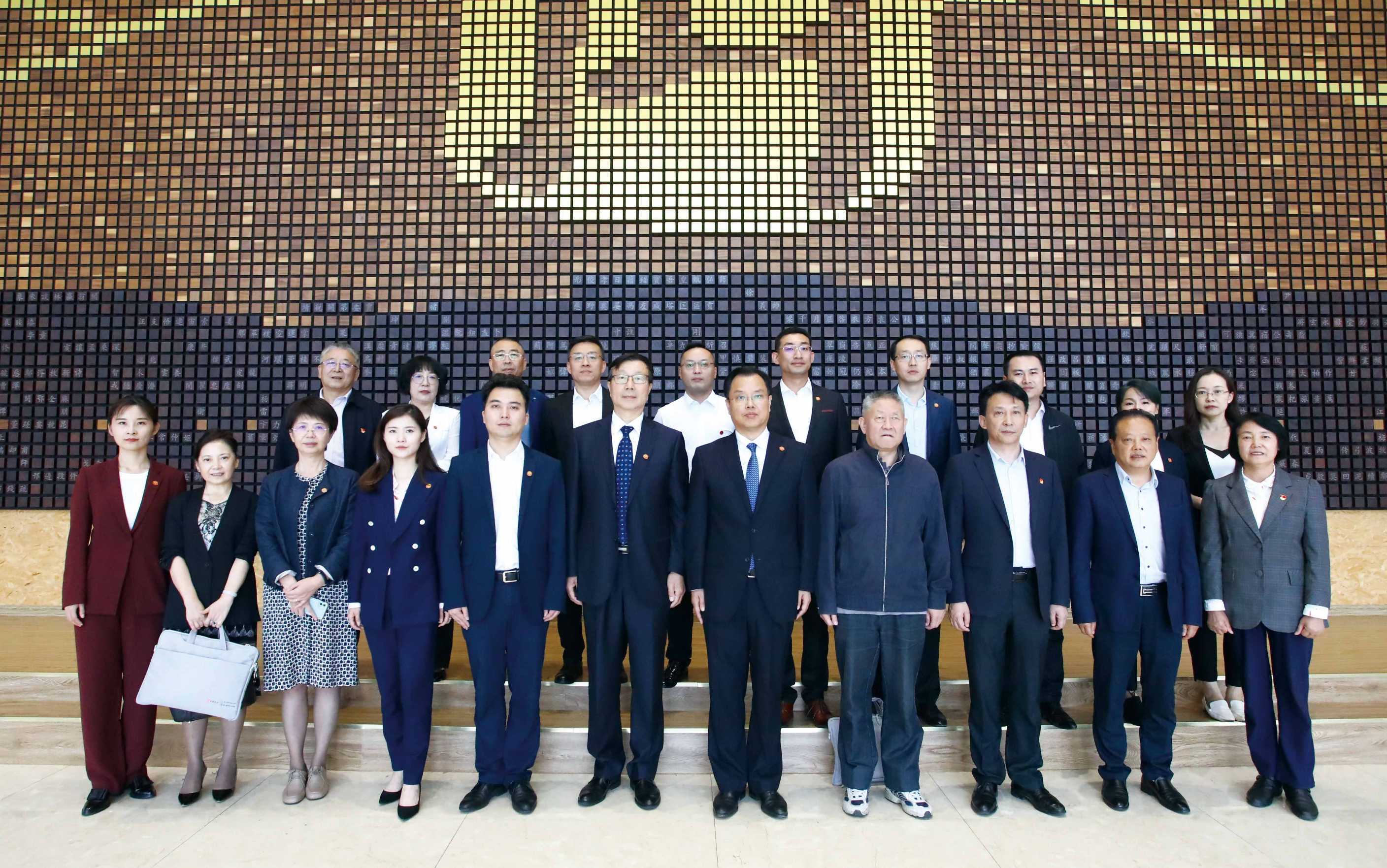
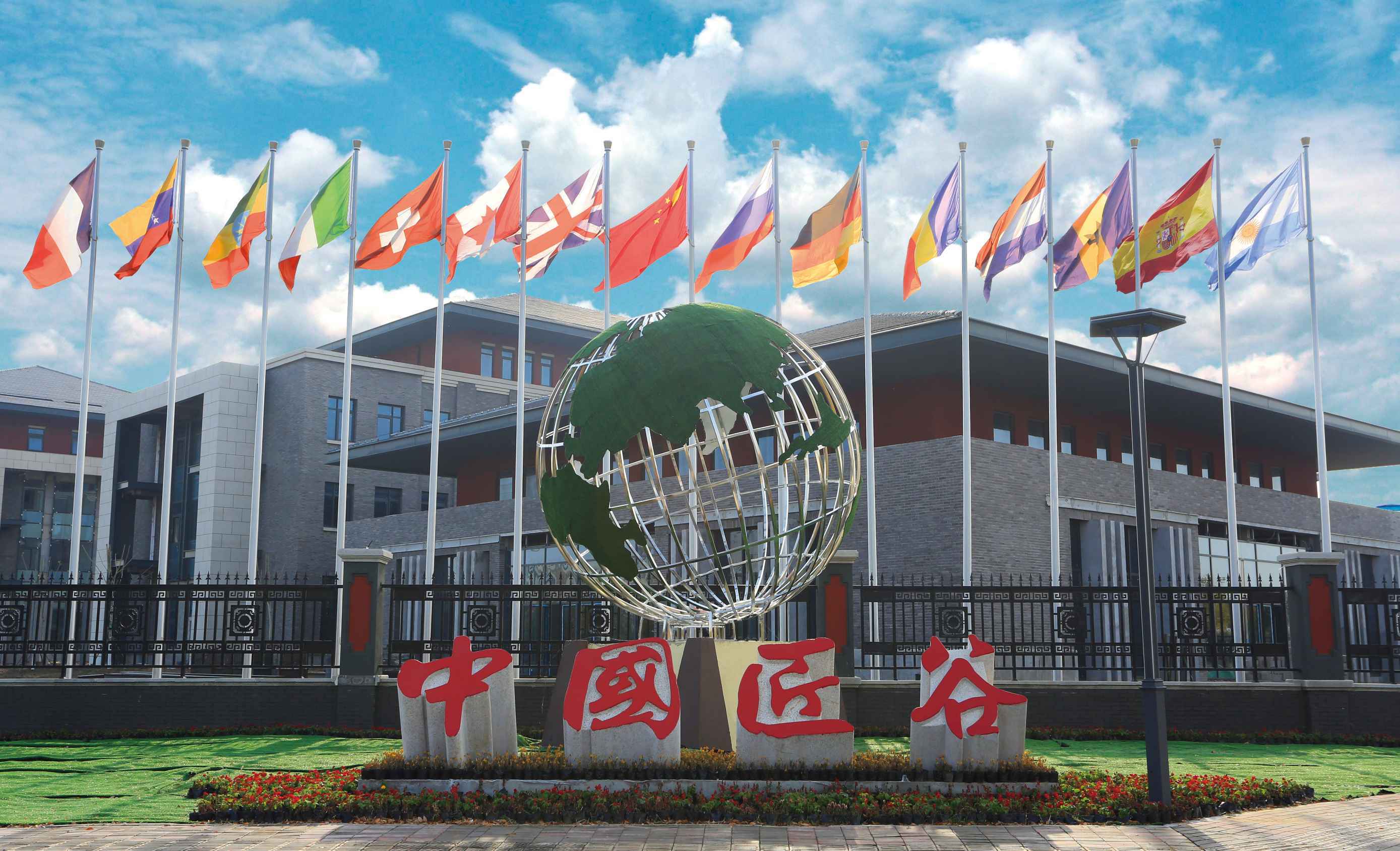
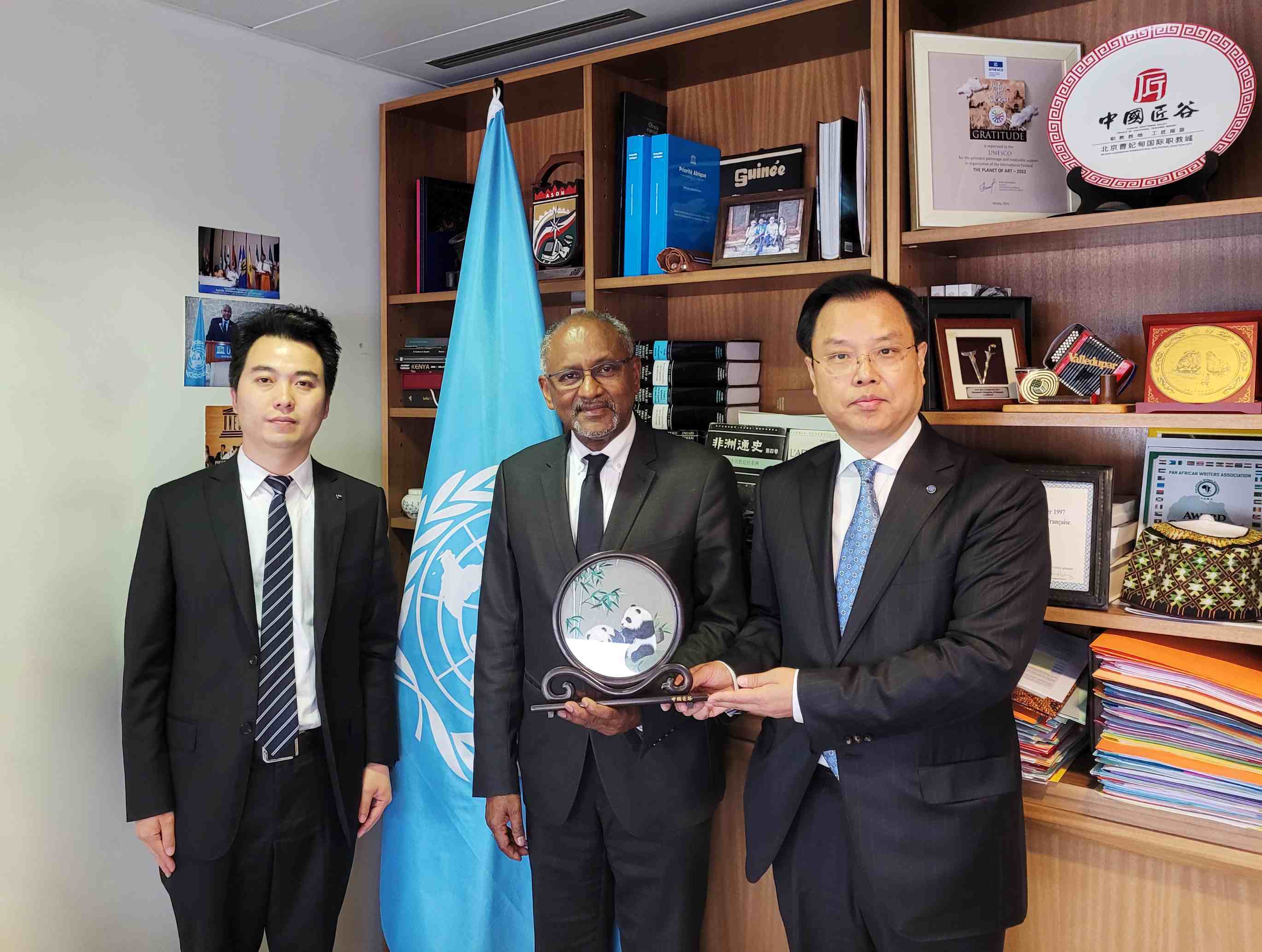
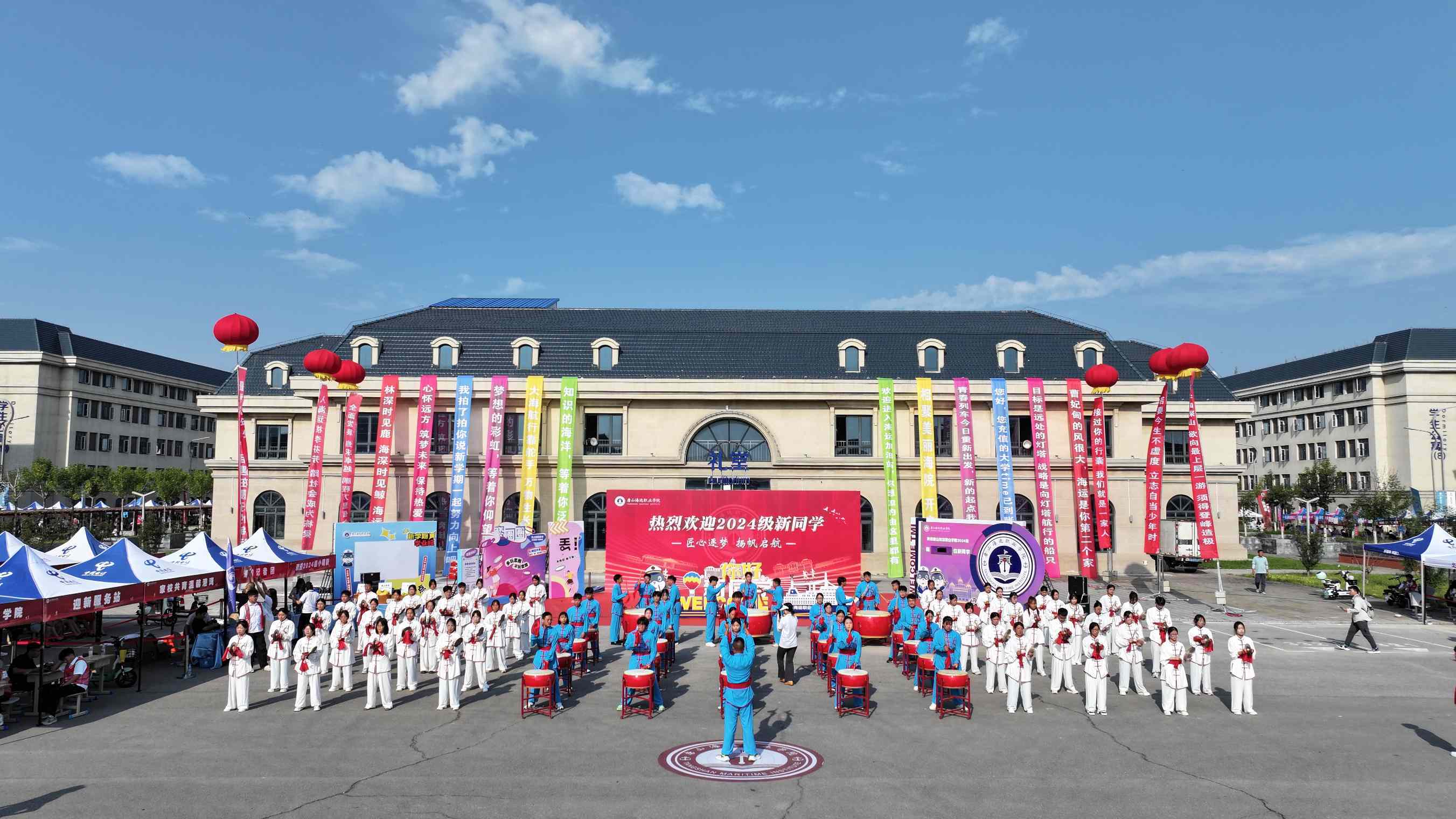
On November 8, 2025, the 2025 Beijing Forum – Franco-Chinese Institute Symposium and the thematic exhibition "History of the Franco-Chinese University and the Work-Study Movement in France" were successfully held in Beijing. The event was hosted by Peking University's Yenching Academy and the Institut Franco-Chinois, with support from the French Academy of Overseas Sciences, the Embassy of France in China, the French Development Agency (AFD), the China Education Association for International Exchange, the China Association of Higher Education, the China Association for Non-Government Education, and the UNESCO World Federation. Co-organizers included Hebei University, Hebei Agricultural University, and China POCY Group. Co-supporting organizations included the Baoding Cultural Industry Development Group Co., Ltd., Baoding WENFA Education Technology Co., Ltd., Beijing Caofeidian Vocational Education Town Investment Co., Ltd., China Craftsman Valley – Caofeidian College of Technology, Tangshan Maritime Institute, and the Chengdu Global Skills Academy. Centered on the theme " How Do China-France Jointly Address Today’s Global Challenges?", the forum gathered over 100 leaders and distinguished guests from the cultural and educational sectors of both countries, including government officials, experts, scholars, and corporate leaders, to jointly envision the future of Sino-French education, global cooperation, and technological innovation.

Prominent attendees included Mr. He Guangcai, Secretary of the CPC Committee of Peking University; Mr. Florent Aydalot, Minister-Counsellor for Cultural, Educational and Scientific Affairs at the Embassy of France in China; Canadian Senator Victor Oh; Professor Dominique Barjot, President of the French Academy of Overseas Sciences and President of the Institut Franco-Chinois; Mr. Yang Zhiming, Special Researcher of the Counsellors' Office of the State Council and former Vice Minister of the Ministry of Human Resources and Social Security; Ms. Han Zirong, Member of the Leading Party Members' Group of the Beijing Municipal Committee of the CPPCC and Chairperson of the Beijing Federation of Literary and Art Circles; Mr. Yao Wang, Vice President of the Western Returned Scholars Association; Mr. Qin Changwei, Secretary-General of the Chinese National Commission for UNESCO; Mr. Du Yue, Secretary-General of the UNESCO World Federation and Executive President of the Institut Franco-Chinois; Ms. An Yan, Deputy Secretary-General of the China Education Association for International Exchange; Ms. Yan Jihong, Deputy Secretary of the CPC Baoding Municipal Committee and Mayor of Baoding Municipal People's Government; Mr. Shen Yubiao, Deputy Director of the Foreign Affairs Office of the CPC Beijing Municipal Committee and the Beijing Municipal People's Government; Professor Liu Xinyuan, Director of the King's College Silk Roads Program, University of Cambridge, UK; Mr. Liu Lin, President of the China Association for Non-Government Education and President of Beijing City University; Professor Meng Qingyu, Deputy Secretary of the CPC Committee and President of Hebei University; Professor Liu Yan, Deputy Secretary of the CPC Committee of Hebei Agricultural University and Director of the Hebei Research Center for the Work-Study Movement in France; Professor Chen Hongyan, Vice President of Hebei University of Technology; Professor Tan Zhenya, former Executive Deputy Secretary of the CPC Committee of Beihang University; Mr. Wang Yuxiang, former Member of the Standing Committee and Vice Mayor of the CPC Guiyang Municipal Committee, and former Vice President of the Insurance Association of China; Ms. Cai Leike, granddaughter of Cai Yuanpei, President of the Peking University Cai Yuanpei Research Association, and Associate Researcher at the Graduate School of Education, Peking University; Professor Wu Benli, granddaughter of Wu Yuzhang (one of the "Five Elders of Yan'an") and Professor at Renmin University of China; Mr. Xie Piao, son of Xie Juezai (one of the "Five Elders of Yan'an"); Mr. Xie Lie, son of Xie Juezai (one of the "Five Elders of Yan'an"); Mr. Yao Yichun, Vice Chairman of the Committee for Industry-Education Integration and School-Enterprise Cooperation of the China Vocational Education Association, and President of China POCY Group.
Deepening Mutual Trust: A New Chapter in a Century of Cooperation
The year 2024 marked the 60th anniversary of diplomatic relations between China and France. Reflecting on the history of Sino-French educational collaboration since modern times, from the first Chinese youth studying in France in 1877, to the "Work-Study Movement" after the 1911 Revolution sending over two thousand Chinese students to France, to successive generations of students studying in France after the founding of New China and especially following the reform and opening-up policy—these students have witnessed and participated in Sino-French exchanges. Today, a century later, Sino-French educational cooperation innovates while inheriting this legacy: the two countries have jointly established 69 cooperative education programs at the undergraduate level and above; China has drawn inspiration from the French engineering school model to establish landmark institutions like the Sino-French Engineer School of Peking University; France has incorporated Chinese into its national education system, and French language programs in Chinese universities are flourishing.
At the forum's opening ceremony, Mr. He Guangcai reviewed the century-long history of Sino-French educational cooperation that began with the Peking Franco-Chinese University. Emphasizing the opportunities presented by the current world landscape and the 61 years of development since the establishment of diplomatic ties, he stated that Peking University will use this forum as a bond to deepen Sino-French cooperation across multiple fields, cultivate landmark projects and high-level outcomes, support the growth and development of youth from both countries, and contribute greater strength to world peace and human progress.

Mr. Florent Aydalot reviewed the vibrant people-to-people exchanges and dialogue mechanisms between the two countries under the strategic guidance of their leaders. He highlighted cooperation in jointly addressing global issues such as aging and low-carbon development in the scientific field, as well as culturally influential platforms like the France-China Cultural Forum. He noted that one of the event's themes—reviewing the history of the Chinese Work-Study Movement in France—reflects the long-standing educational cooperation between the two countries. He expressed hope that, inspired by the spirit of pioneers like Cai Yuanpei, cooperation in culture and education would continue to deepen.

Professor Dominique Barjot stated that Sino-French educational cooperation has yielded fruitful results: China is one of the leading sources of international students for France, with about 27,000 Chinese students going to France for further study annually, while over a thousand French students study in China. The two countries have established over 120 university partnership programs and numerous secondary school friendships, reflecting a shared vision for cultivating future pillars. He remarked that this forum highlights the high importance both countries place on academic cooperation and bilateral relations, continuing a century-old tradition of academic exchange, and vividly embodies the spirit of mutual learning between civilizations and the pursuit of excellence.

On behalf of the Chinese National Commission for UNESCO, Mr. Qin Changwei congratulated the forum on its convening. In his address, he traced the long history of Sino-French educational cooperation. He pointed out that the Franco-Chinese University, as an early model of cross-cultural educational collaboration, pioneered dialogue between Eastern and Western higher education. Facing global challenges, he called for both countries to further deepen strategic mutual trust in education, expand two-way student mobility, strengthen research cooperation in frontier areas like green transition, digital economy, and life sciences, and promote innovation in vocational education and school-enterprise cooperation models.

Cultivating Friendship: A Mutual Journey Across Time and Space
Following the opening ceremony, the unveiling ceremony for the "History of the Franco-Chinese University and the Work-Study Movement in France" thematic exhibition was held. In his remarks at the ceremony, Professor Dominique Barjot expressed his respect for the Chinese students who went to France a century ago. He noted that this journey was not only the beginning of Sino-French educational cooperation but also a vivid embodiment of mutual learning and respect between civilizations. As President of the Institut Franco-Chinois, he felt honored to continue this mission and called for collectively preserving this precious memory and promoting more exchange activities to further enhance the spirit of Sino-French friendship and civilizational dialogue.
Professor Meng Qingyu reviewed the profound historical significance of the Work-Study Movement in France, noting that it opened a new era in Sino-French cultural exchange. He emphasized that Hebei University, as a higher education institution in Baoding—the birthplace of the movement—has closely cooperated with the Baoding Museum of the Work-Study Movement in France to deeply explore the movement's history and spiritual essence, achieving positive societal impact.

In her speech, Professor Wu Benli stated that two generations of her family have deep connections with Sino-French exchanges and the Work-Study Movement. Her grandfather, Wu Yuzhang, went to France for study in 1914, where he co-initiated the Work-Study Movement and established the Société Franco-Chinoise d'Éducation with Cai Yuanpei. After returning to China, he founded preparatory classes for studying in France. Her father went to France for work-study in 1919 and, upon returning, oversaw the construction of China's first self-designed hydropower station, becoming a pioneer in Chinese turbine design. As an educator, she expressed delight at the successful practice of the contemporary Institut Franco-Chinois and called for continued deepening of educational exchanges between the two countries to carry forward this precious friendship.

Subsequently, 12 Chinese and French leaders and distinguished guests jointly unveiled the exhibition. They emphasized that this history is not only a valuable asset of Sino-French educational exchange but also a spiritual bond inspiring contemporary youth to carry forward friendship and deepen cooperation.

The exhibition "History of the Franco-Chinese University and the Work-Study Movement in France," structured around the themes "Departure – Journey – Exploration – Future," traces the century-long thread of educational cooperation between the two countries. It showcases the journey from young people crossing oceans with dreams in 1919, to the founding of the Institut Franco-Chinois de Lyon in 1921; from the difficult years interweaving labor and study, to the last enrollment in 1946 and the cessation of university premises in 1950; from the restart of educational cooperation in 1980, to contemporary deep collaboration across multiple fields between China and France. The spirit of diligence and frugality in the Work-Study Movement demonstrates the values of "self-improvement, respect, and openness." The Institut Franco-Chinois de Lyon represents an ideal experiment in educational internationalization and cultural dialogue, while contemporary Sino-French cooperation showcases the mission and vision of a new era, creating a dialogue between historical memory and contemporary innovation.


Building Consensus: Multidimensional Dialogue to Address Challenges
The forum centered on keynote speeches and roundtable discussions, convening experts and scholars from both China and France. They shared profound insights from different perspectives on the opportunities and pathways for Sino-French cooperation amidst global challenges. Discussions focused deeply on the three dimensions of technology, talent, and culture, laying a solid intellectual foundation for the forum.
During the keynote speeches, Professor Jean-Michel Roy from the École Normale Supérieure de Lyon, France, emphasized that facing global challenges, higher education institutions in China and France should deepen cooperation and pool wisdom through civilizational dialogue. He stressed the need to continue the historical tradition of cooperation, expand substantive exchanges such as double-degree programs, joint research, and doctoral training, and make cooperative education a melting pot of civilizational integration.

Professor Dong Qiang, Dean of the Yenching Academy of Peking University, cited 20th-century journals such as Sino-French Educational Circles as examples, noting their role as platforms for intellectual exchange that facilitated a mutual journey between the sciences and humanities of both countries. To continue this spiritual bond, he co-founded the Prix Fu Lei with the French Embassy in China in 2009 to promote the dissemination of French thought and cultural works in China. He pointed out that Sino-French educational cooperation, through both material and spiritual carriers, has not only deepened mutual learning between civilizations but also laid a solid humanistic foundation for the two countries to jointly address global challenges.

Professor François David from L'Université du Littoral Côte d'Opale, France, noted that China and France, both countries with long histories and civilizations, share a common mission in addressing the global challenges of the 21st century. He expressed agreement with the principles of a multipolar order and international law advocated in China's "Global Governance Initiative." Emphasizing the need for patience and sustained effort in tackling long-term global issues, he advocated for building a community with a shared future for mankind through dialogue and solidarity, practicing the principles of global governance based on extensive consultation, joint contribution, and shared benefits.

Professor Li Jiayi from Beijing City University shared the institution's practices in cultivating internationalized talent. As the first private institution of higher education in New China, it established the nation's first private French language program in 2001, developed deep cooperation with over ten French universities, and built a cultivation system integrating "language foundation + professional advancement + digital intelligence empowerment," embedding an international perspective and Chinese spirit throughout the educational process.

At the first roundtable, "Technological Innovation and Scientific Cooperation," Professor Dominique Barjot; Professor Wang Rong, Director of the China Institute for Educational Finance Research at Peking University; Professor Claude Gronfier from the French National Institute of Health and Medical Research (INSERM) & Lyon Neuroscience Research Center; and Professor Liu Yan engaged in lively discussions on topics including research cooperation mechanisms, technology transfer, and addressing global technological challenges. This deepened mutual understanding between China and France in technological innovation and scientific cooperation and laid a solid foundation for future in-depth collaboration in more fields. The session was moderated by Professor Zhao Kefeng, President of the Asian Campus of Paris School of Technology and Business.


At the second roundtable, "Talent Cultivation and Multifaceted Cooperation," Professor Emmanuel Lincot from Université Catholique de Paris; Ms. Cai Leike; Professor François David; Professor Nicolas Baudry from Galileo Global Education; and Ms. Sun Aiping, Executive Vice President of China POCY Group, focused on in-depth exchanges about innovative models for cultivating internationalized talent, school-enterprise cooperation, and industry-education integration. This deepened consensus between both sides in the field of talent cultivation and injected new vitality into advancing Sino-French educational cooperation to a higher level and achieving greater development. The session was moderated by Ms. Wang Wei, Liaison Officer from the UNESCO Bureau of External Relations and Public Information.


The third roundtable, "Cultural and Creative Exchange & Digital Technology Showcase," was chaired by the renowned actress and producer Ms. Cong Shan. Professor Damien Gervasoni from the French National Centre for Scientific Research (CNRS) & Université Claude Bernard Lyon 1; Professor Christophe Bâty from Université Claude Bernard Lyon 1; and Professor Che Yi, Vice President of University of Sanya, explored topics including the development of the cultural and creative industries empowered by digital technology, and new forms and pathways for Sino-French cultural exchange. Participants agreed that digital technology provides a powerful driving force for cultural innovation. China and France should strengthen coordinated cooperation in areas such as technical standards, talent exchange, and project incubation to jointly address global challenges to cultural diversity.


Initiating the Future: A Global Approach for Sustained Cooperation
"When unilateralism impacts international cooperation, China and France use education as a bond to deepen mutual trust, providing wisdom and solutions for global governance—this is not merely a choice of the two countries but an inevitable trend of our times."
During the session "Institut Franco-Chinois Strategic Dialogue: Vision and Sino-French Cooperation," Mr. Du Yue introduced the future development strategy and direction of the Institut Franco-Chinois and invited attendees to offer suggestions on the strategic plan, gathering broad consensus for its long-term development. Participants expressed that the Institut Franco-Chinois bears the important missions of deepening Sino-French mutual trust in education, promoting the cultivation of cross-cultural talent, and jointly incubating global governance innovation projects. It should fully leverage the advantages of both sides, establish long-term cooperation mechanisms, and provide practical pathways for building a more inclusive and sustainable global education governance system.

At the closing ceremony, Professor Dominique Barjot delivered concluding remarks, highly commending the fruitful outcomes achieved at the forum. He expressed gratitude to the supporting organizations and individuals and called on all parties to continue deepening Sino-French educational cooperation and promoting the implementation of global governance innovation projects.


A century of history tells us that education should not merely be a footnote in history but should continuously extend and innovate dialogue. As a key participant in this forum, China POCY Group has in recent years steadfastly implemented the concept of "education without borders" through concrete actions. It has deeply connected with high-quality international educational resources and extensively expanded multidimensional cooperation across various fields, charting a path of substantive international development for vocational education. It provides solid support for addressing global challenges through quality education and skills training.

It is particularly worth mentioning that China POCY Group is planning to establish a Franco-Chinese Institute in China. The aim is to create a physical platform for China and France to jointly create knowledge, serve society, and promote sustainable development. Through language education, cooperative education programs, exchange visits, two-way study abroad programs, joint research, and industrial cooperation, it seeks to advance Sino-French educational cooperation in finding a better balance between "localization and international standards," "distinctiveness and integration," and "openness and inclusiveness." The goal is to build a high-level community for cultivating Sino-French talent, enabling more youth to engage in cross-cultural learning, more new projects to drive societal development, and more wisdom to be co-created within an international framework. By promoting cooperation through education and pursuing development through talent, the initiative aims to continuously contribute wisdom and strength to addressing global challenges amidst profound changes unseen in a century.




All rights reserved by POCY Investment Group Co., Ltd.Beijing ICP No. 17057225-1 Beijing Public Security Bureau No. 11010802030354
Contact us

Address:8th Floor, Block D, Yonggui Center, No. 45, Guangqumennei Street, Dongcheng District, Beijing

Telephone:+86 (10) 67108886

Email:pocy@pocy.com